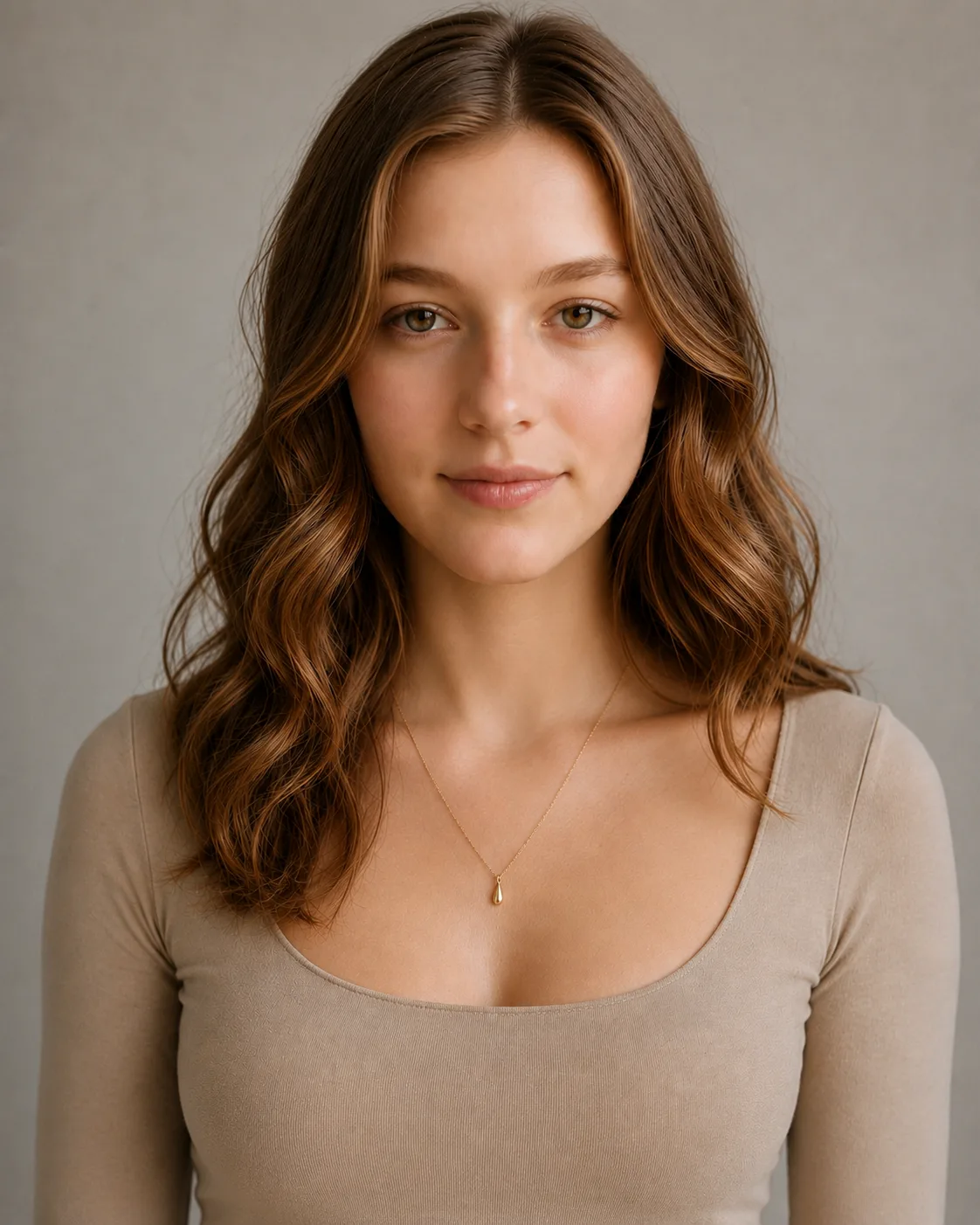
San Francisco
Clear · mild · 20% rain
81°F
Lean on breathable tops and one light layer for the indoor–outdoor swing.
Start with 1–3 photos. Sign in for one free preview per eligible account, then choose whether to buy a Complete Report for that report.
“Quiet Tea Forest” — still, warm light through leaves
A season isn’t a verdict — it’s a place. Read across the three axes and you can see exactly where you sit, and the seasons you border: Soft Summer to the cool side, True Autumn to the warm-and-deep side.
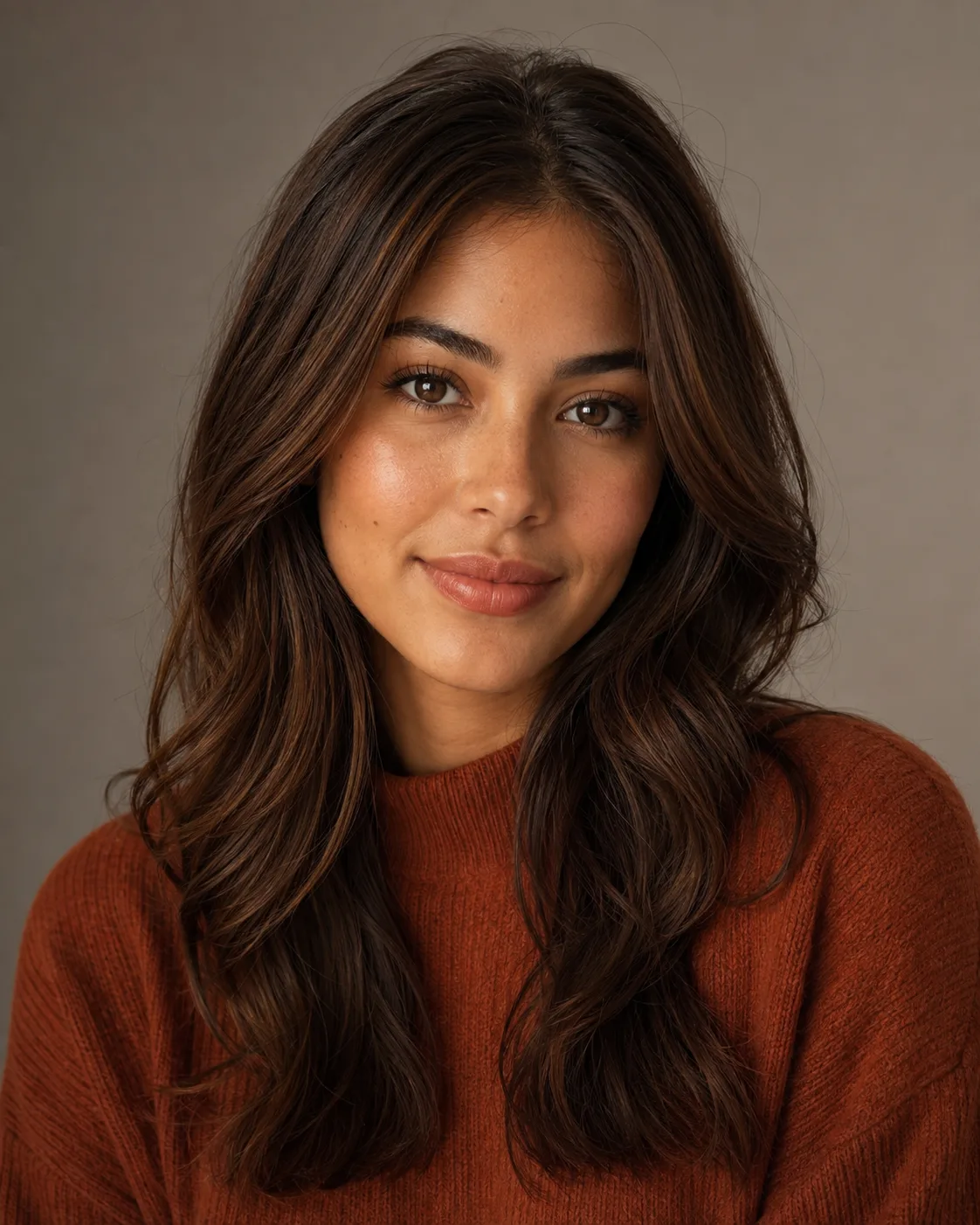
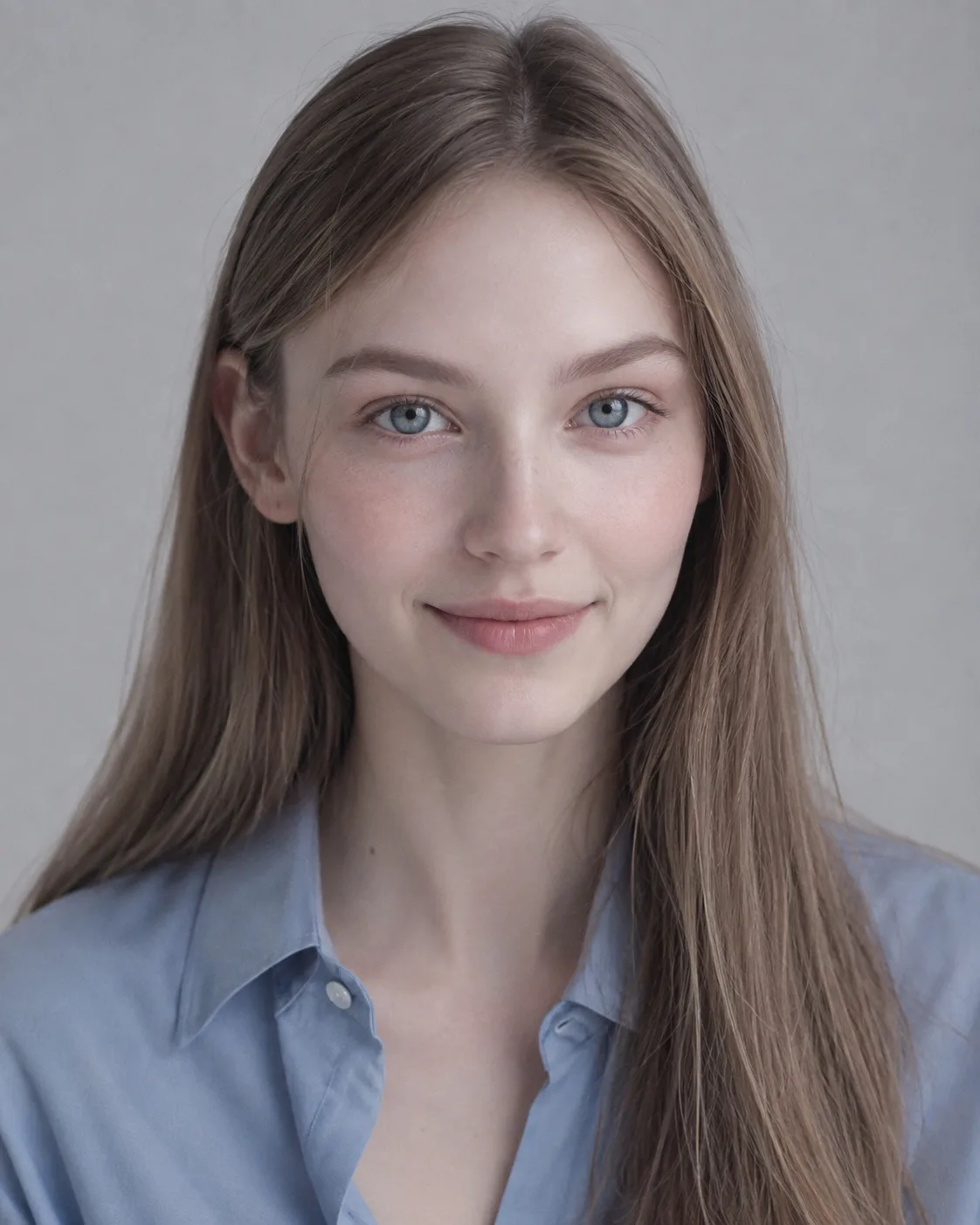
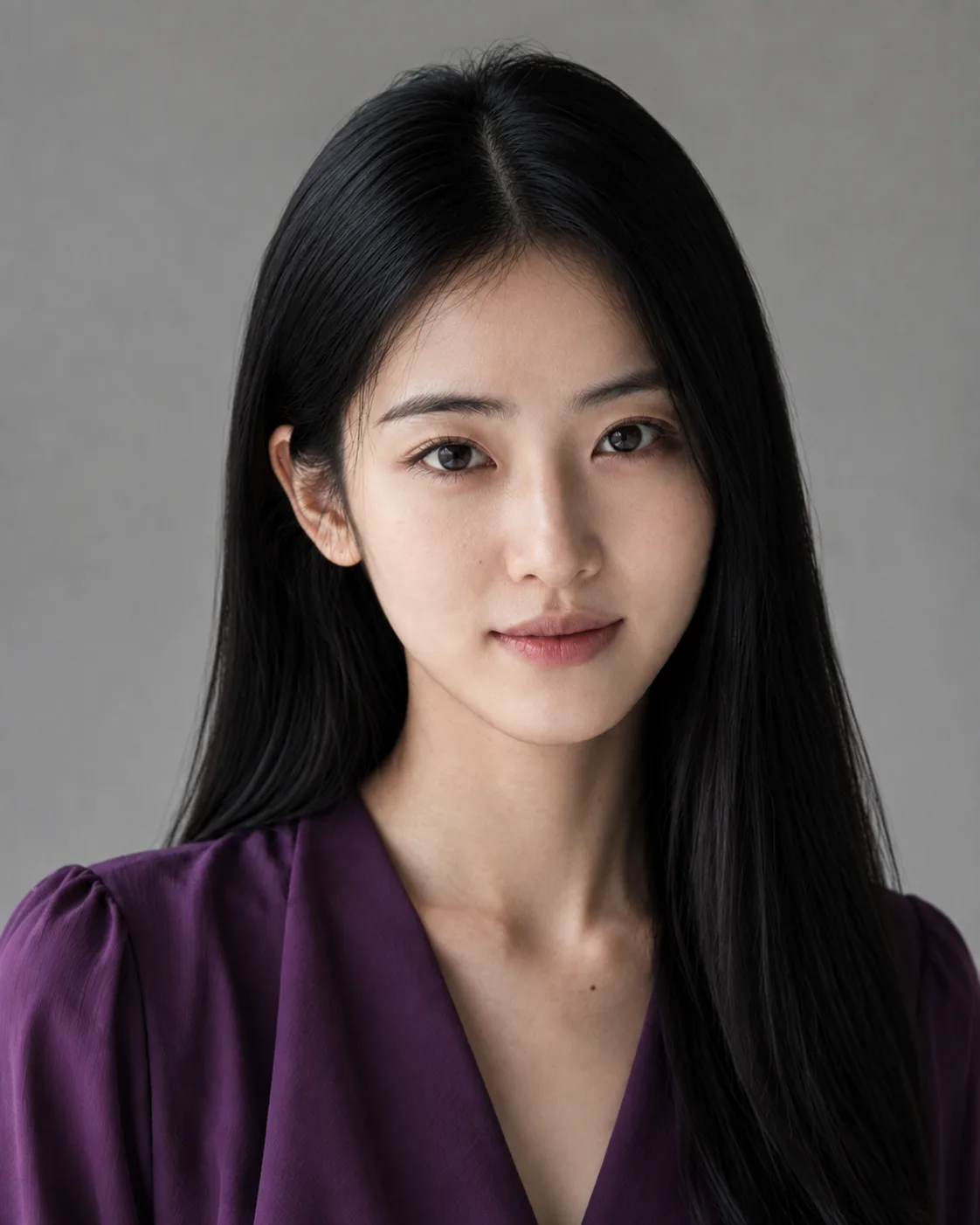
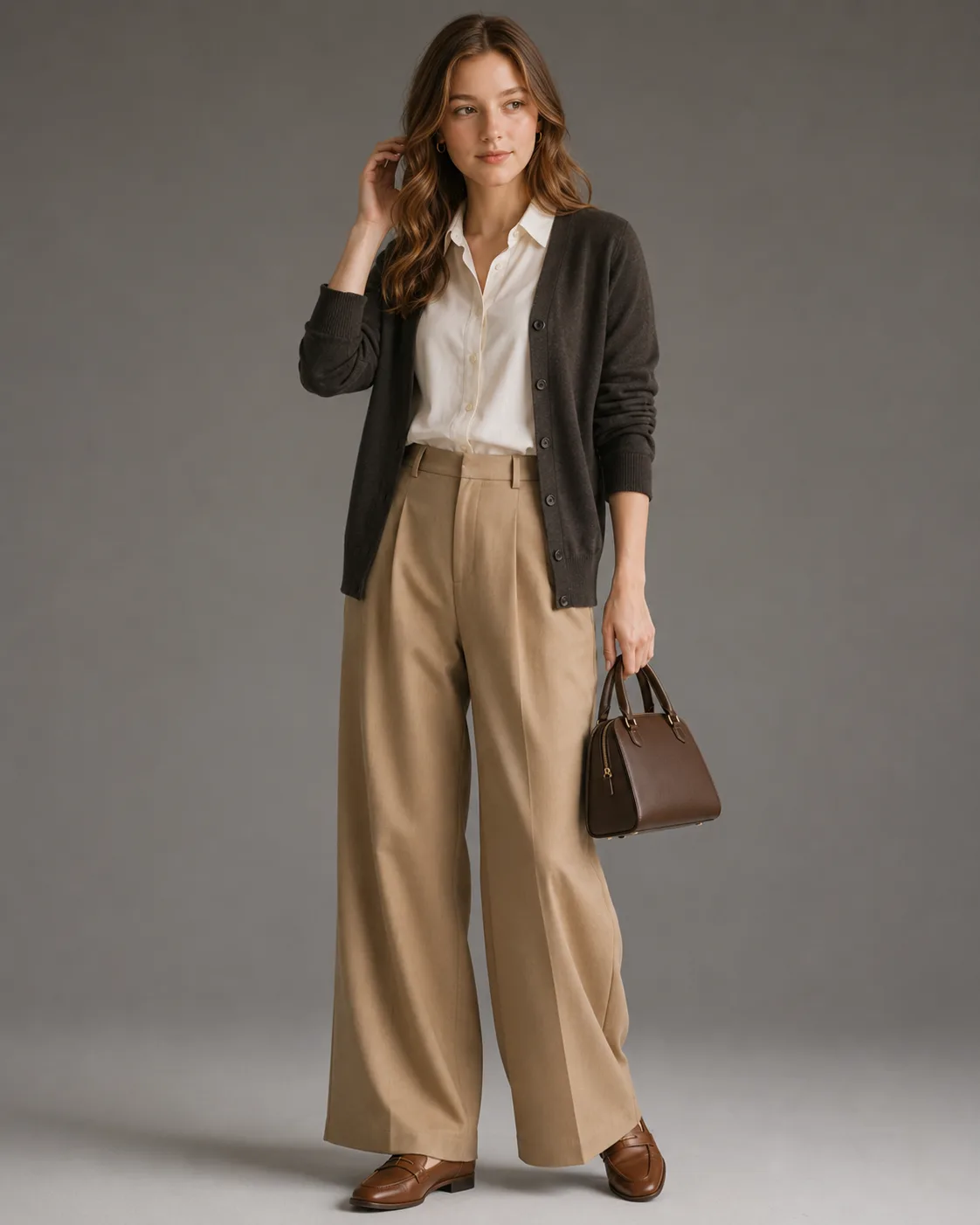
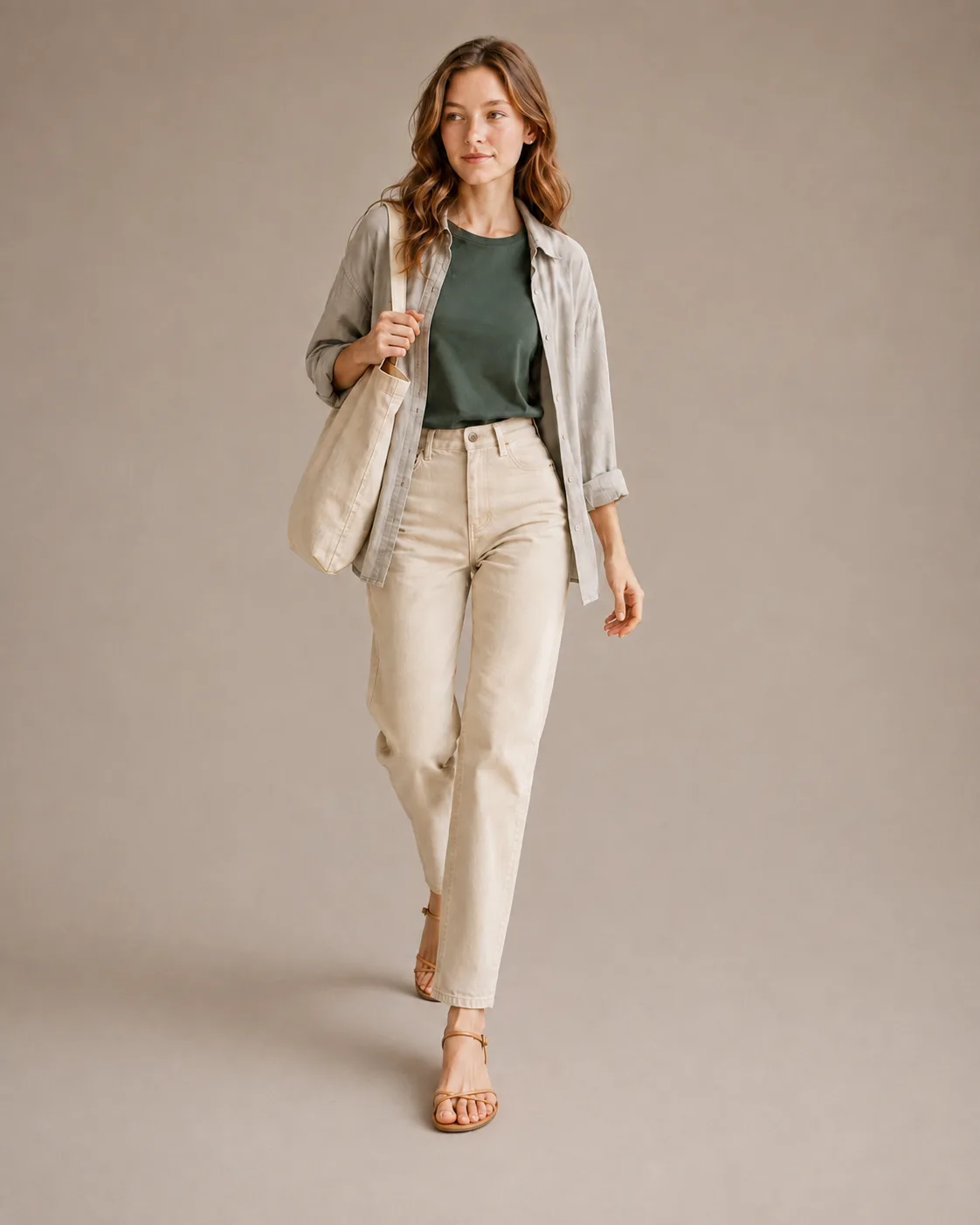
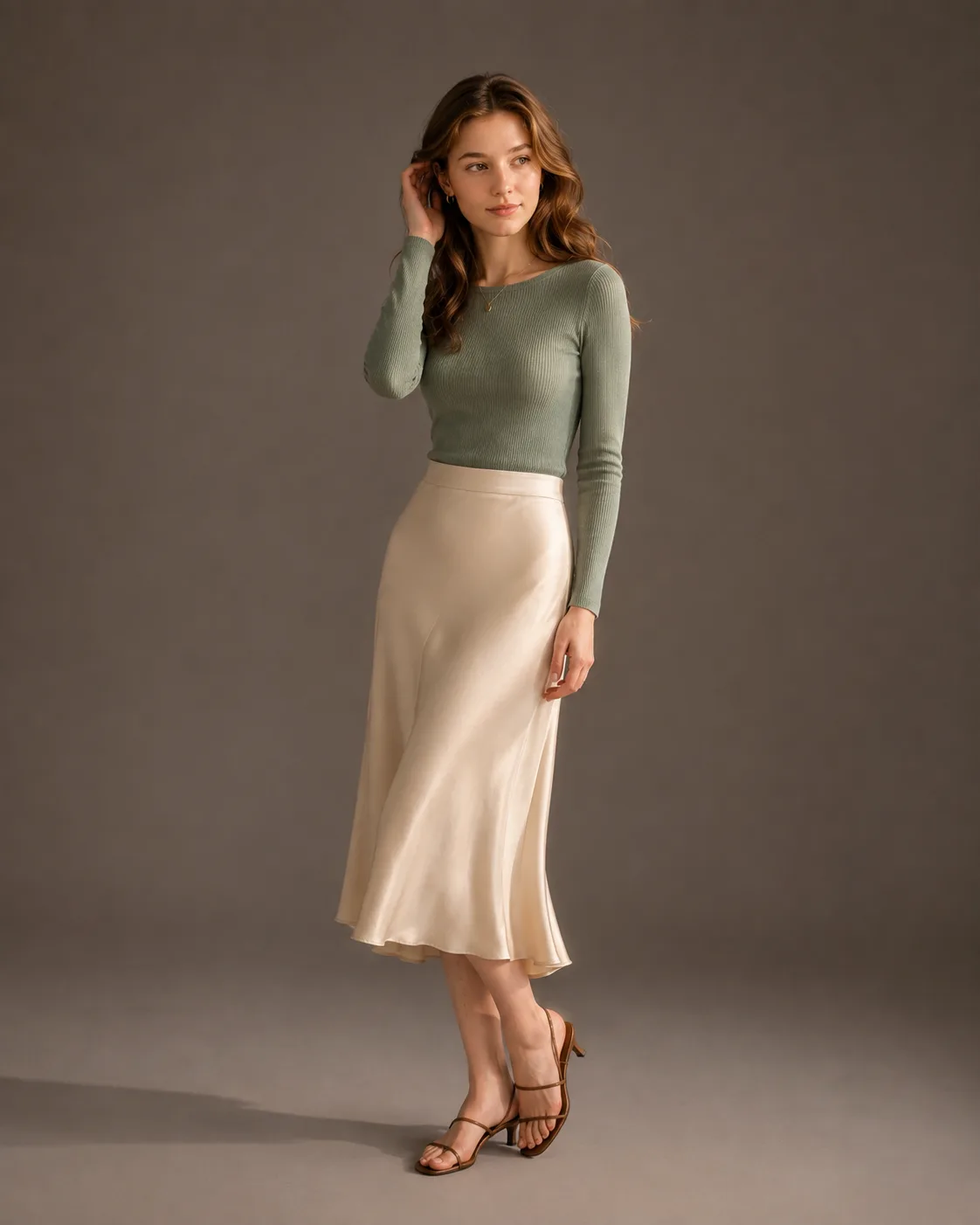
In the finished report, local weather changes the clothing emphasis—not your underlying palette. This illustrative module uses Kyoto as the full example; the smaller cards show how the same palette shifts across climates.
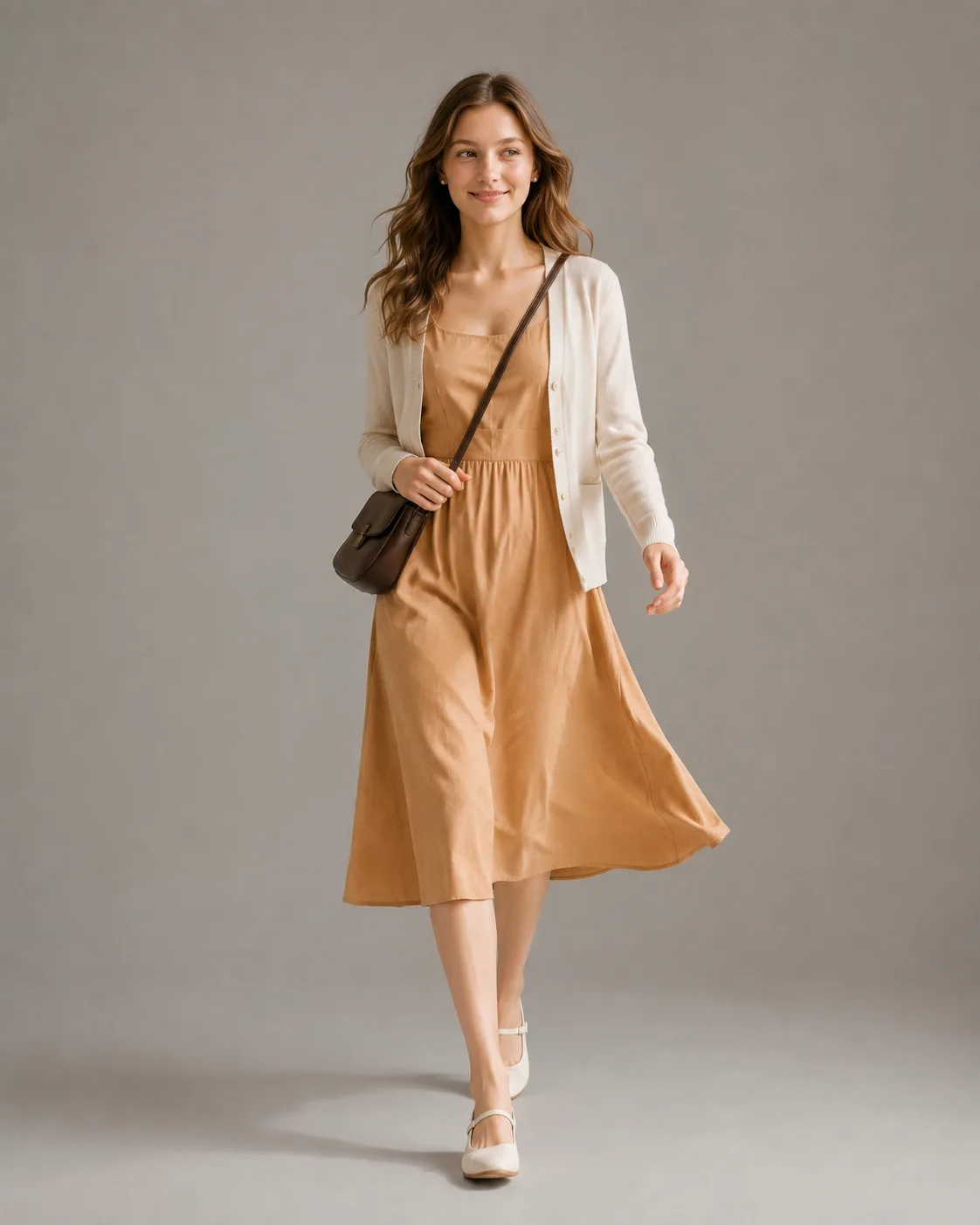
Mild and bright with soft light — it reads like full spring out there. Bring your fresher, lighter highlights forward with one easy layer for cool mornings.
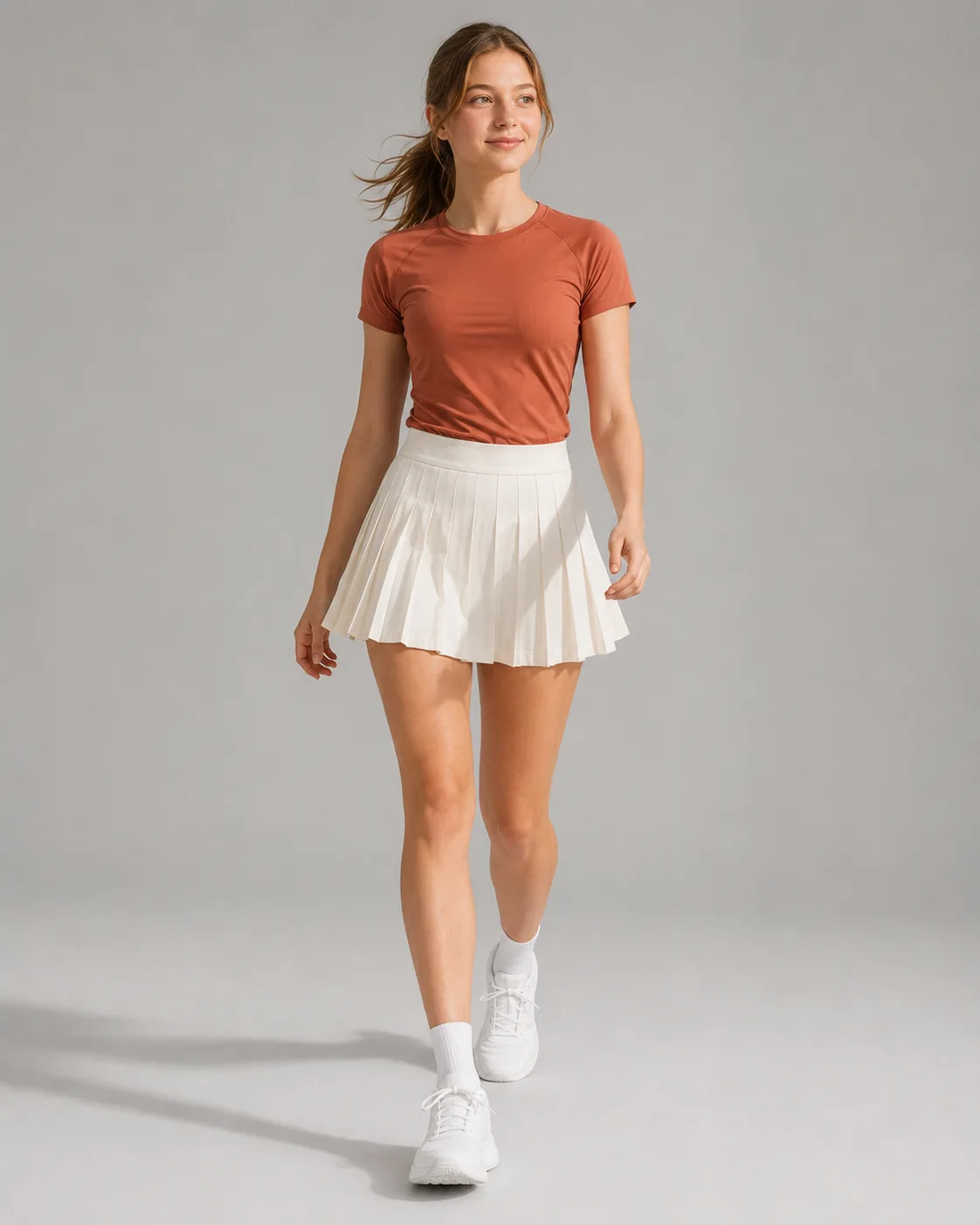
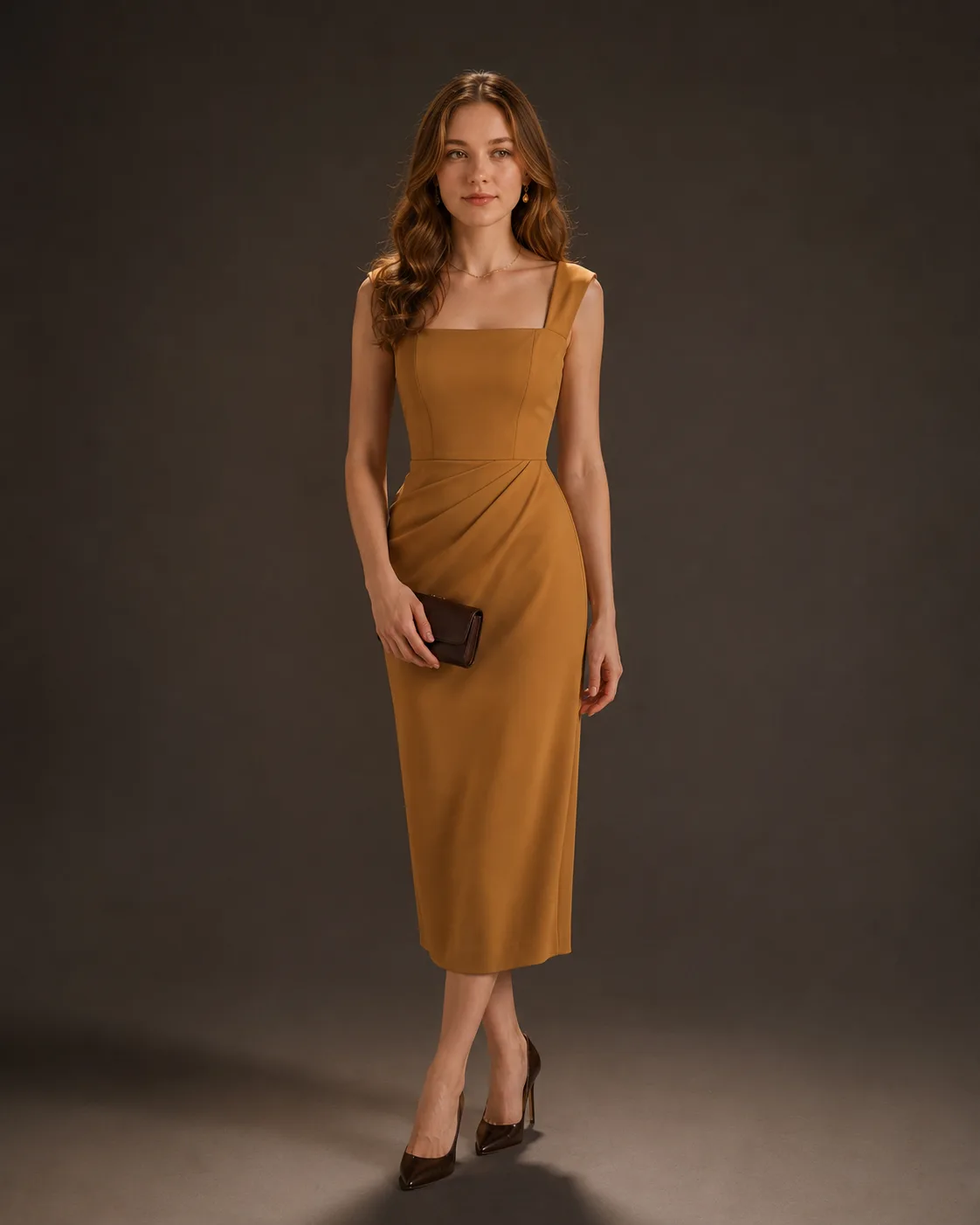
Same palette, different weather
Clear · mild · 20% rain
Lean on breathable tops and one light layer for the indoor–outdoor swing.
Cool · dry wind · 10% rain
Build around warmer mid-layers and closed shoes, deeper palette colors up top.
Cold · overcast · 40% snow
Build on the deepest core colors, heavier layers, and warm texture close to the face.
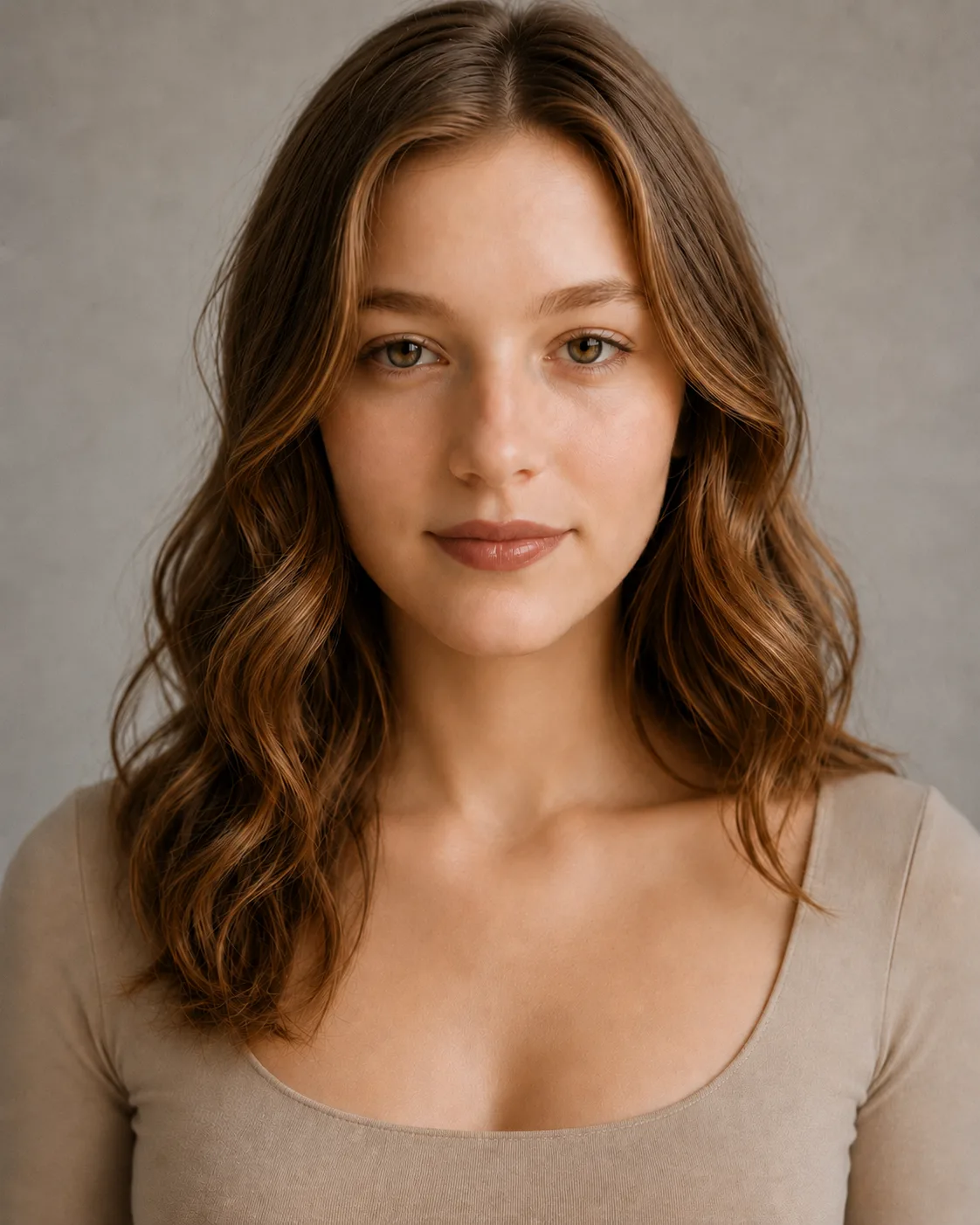
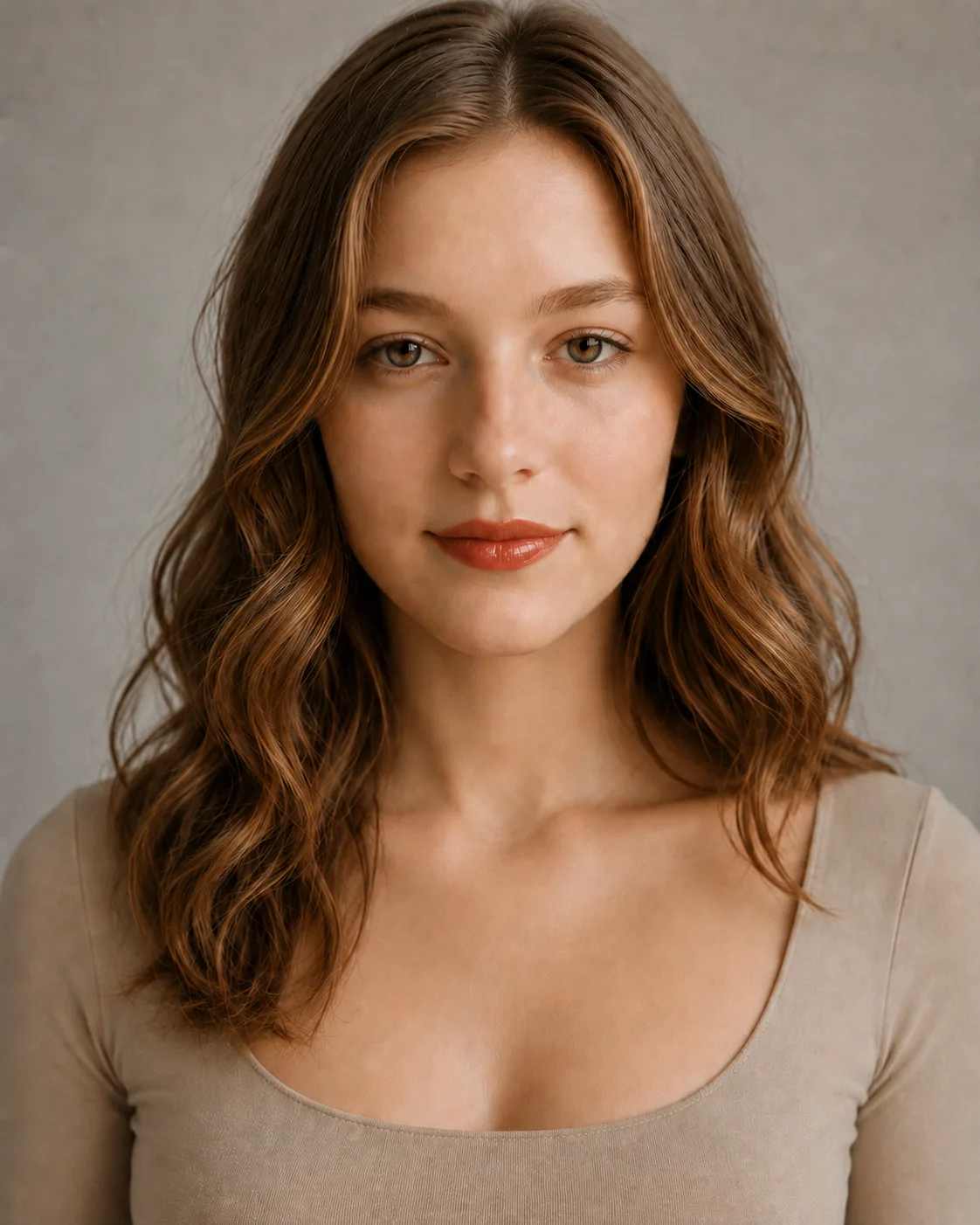
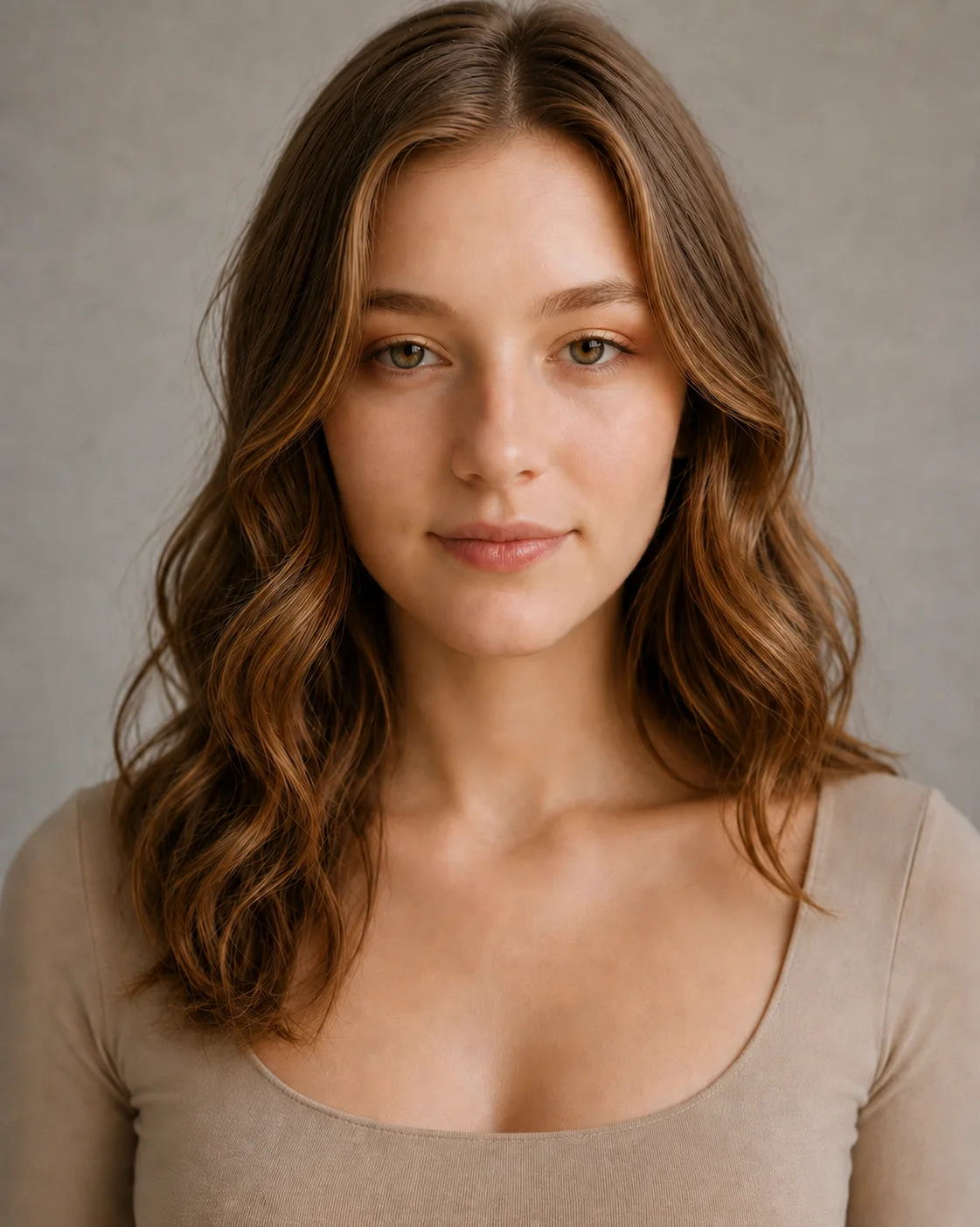
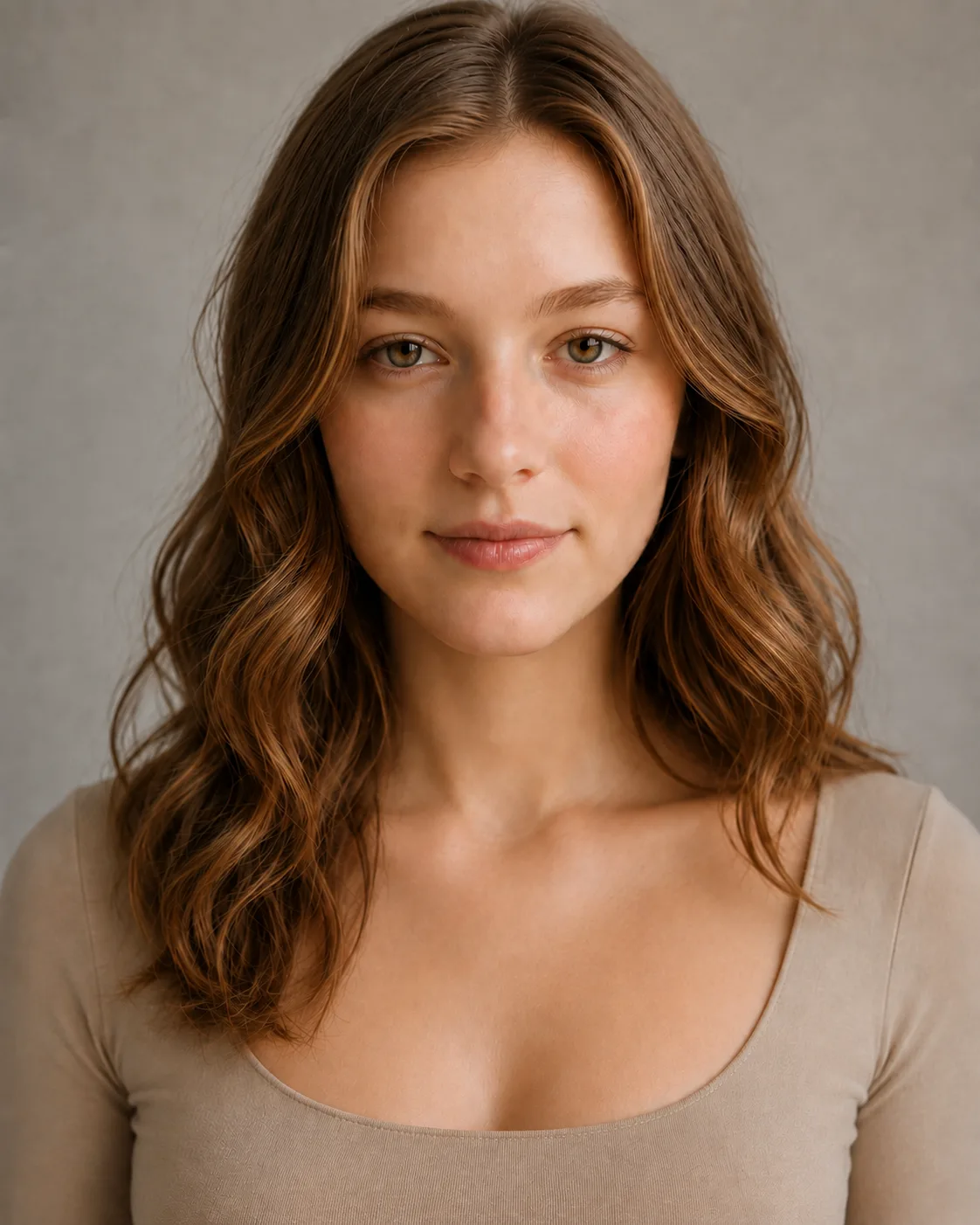
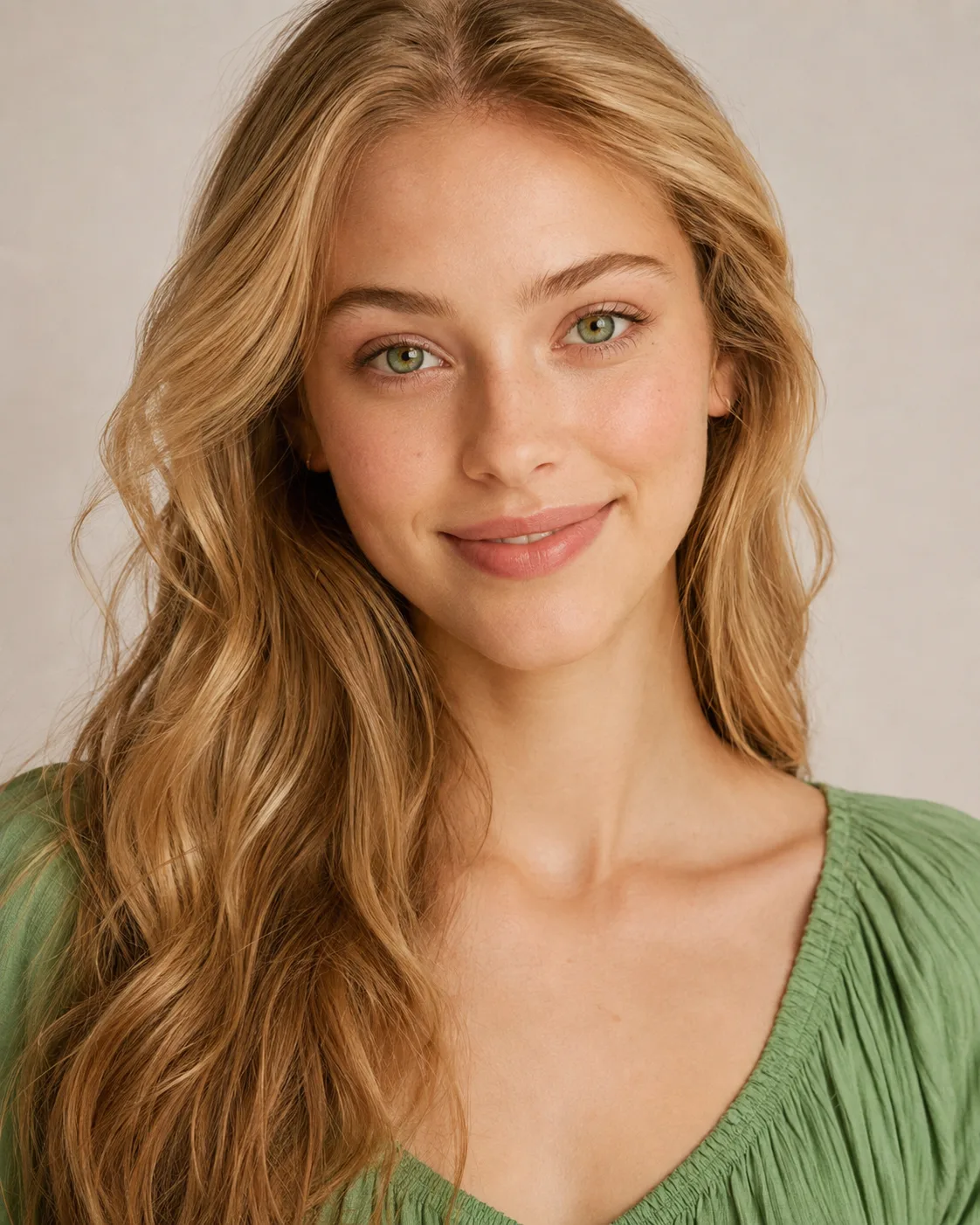
A milk-tea brown reads as blood, not blush — warmth that ties your lips to your skin and hair instead of fighting them. Dewy, for video calls and the commute.
Reach for a soft-matte or natural-luminous finish. Skip heavy, high-coverage bases and gray-leaning shades — they flatten the clarity your skin already has.
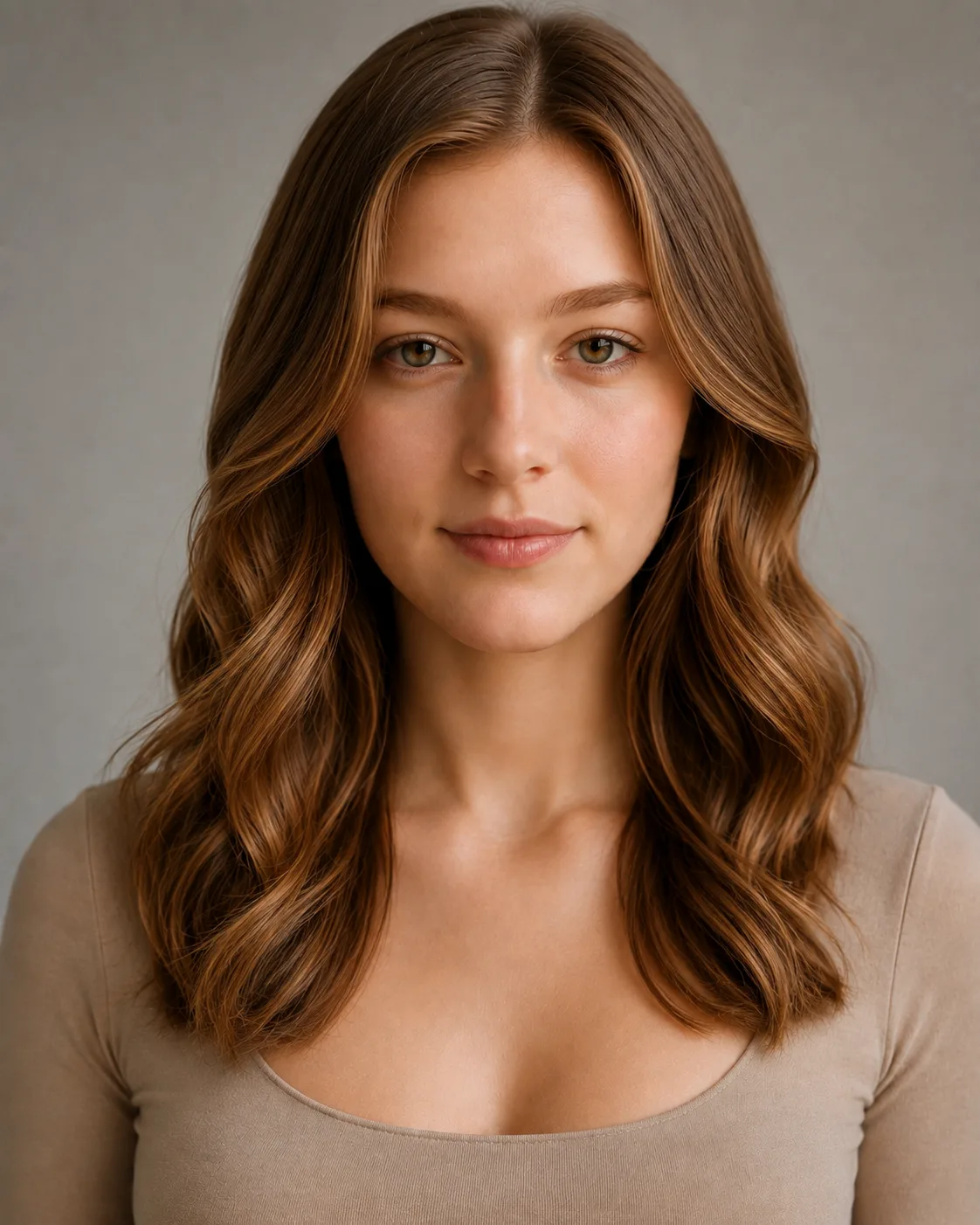
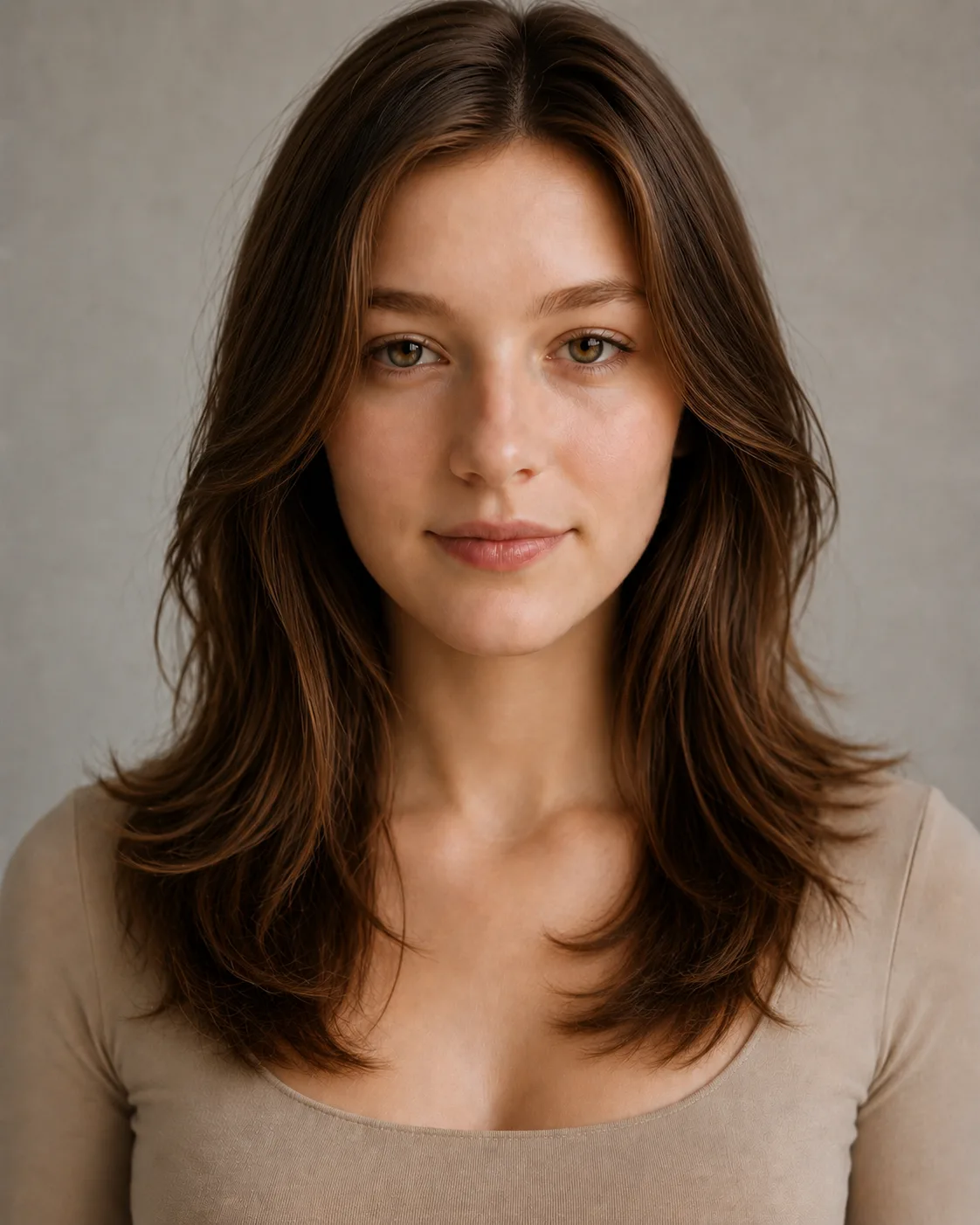
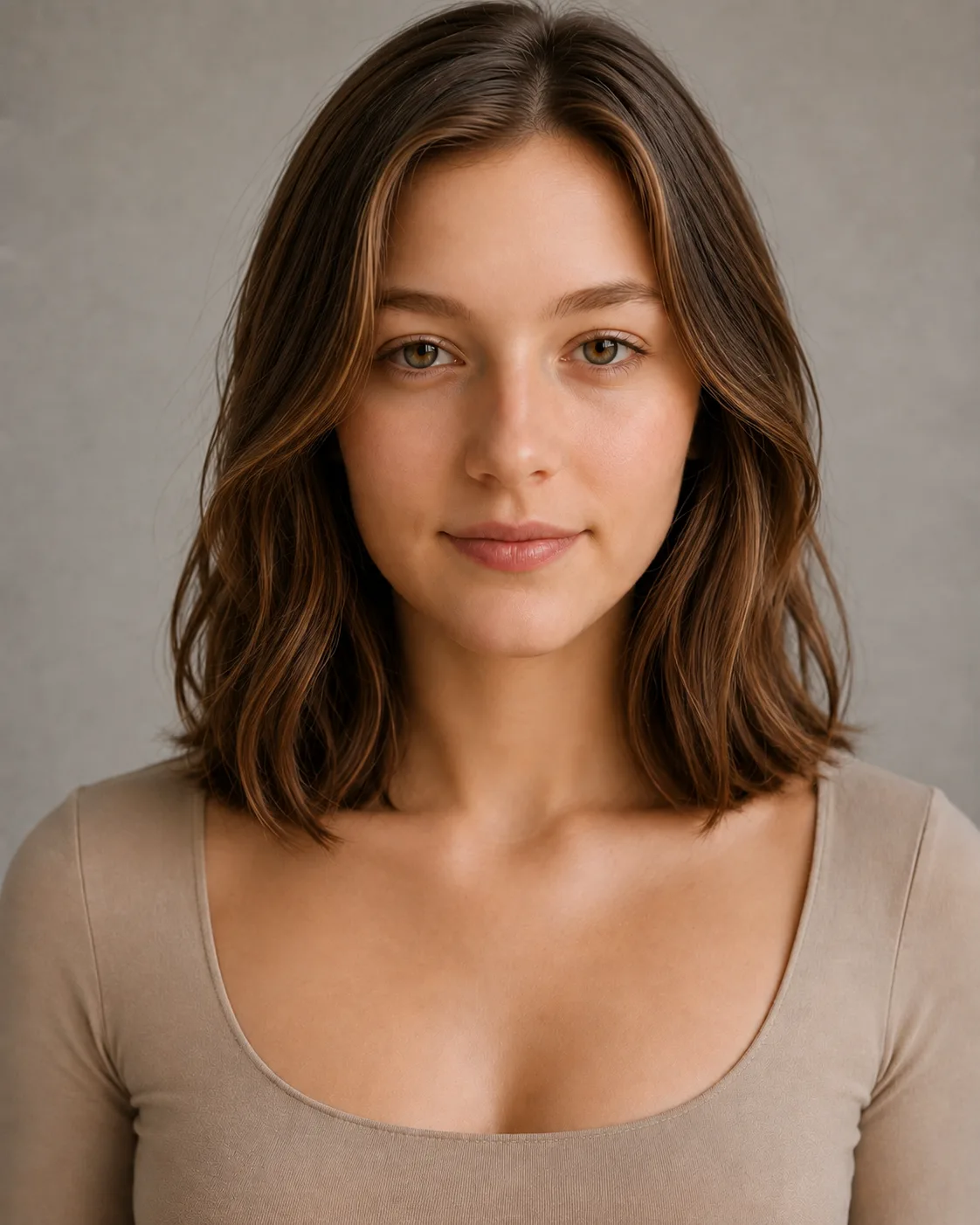
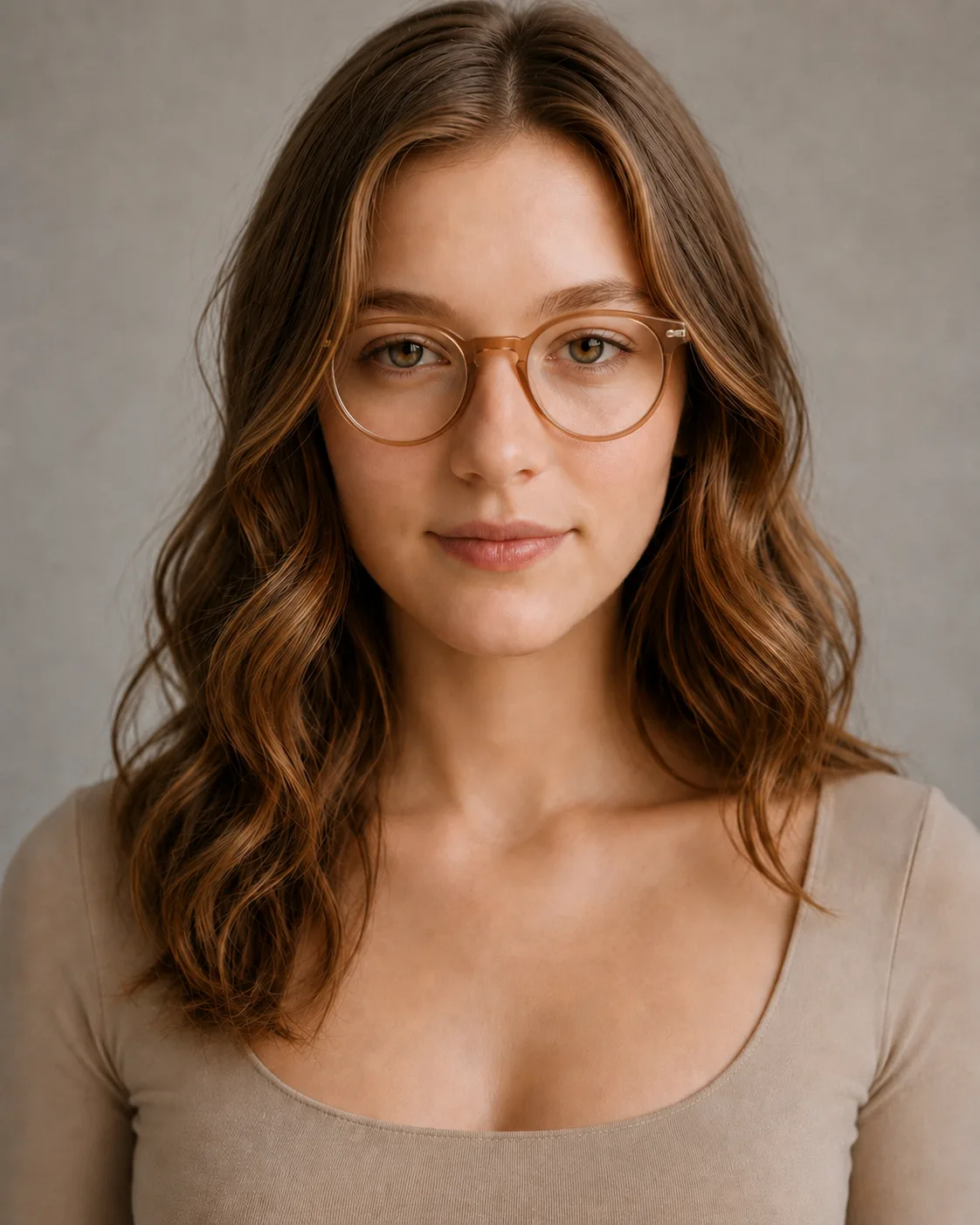
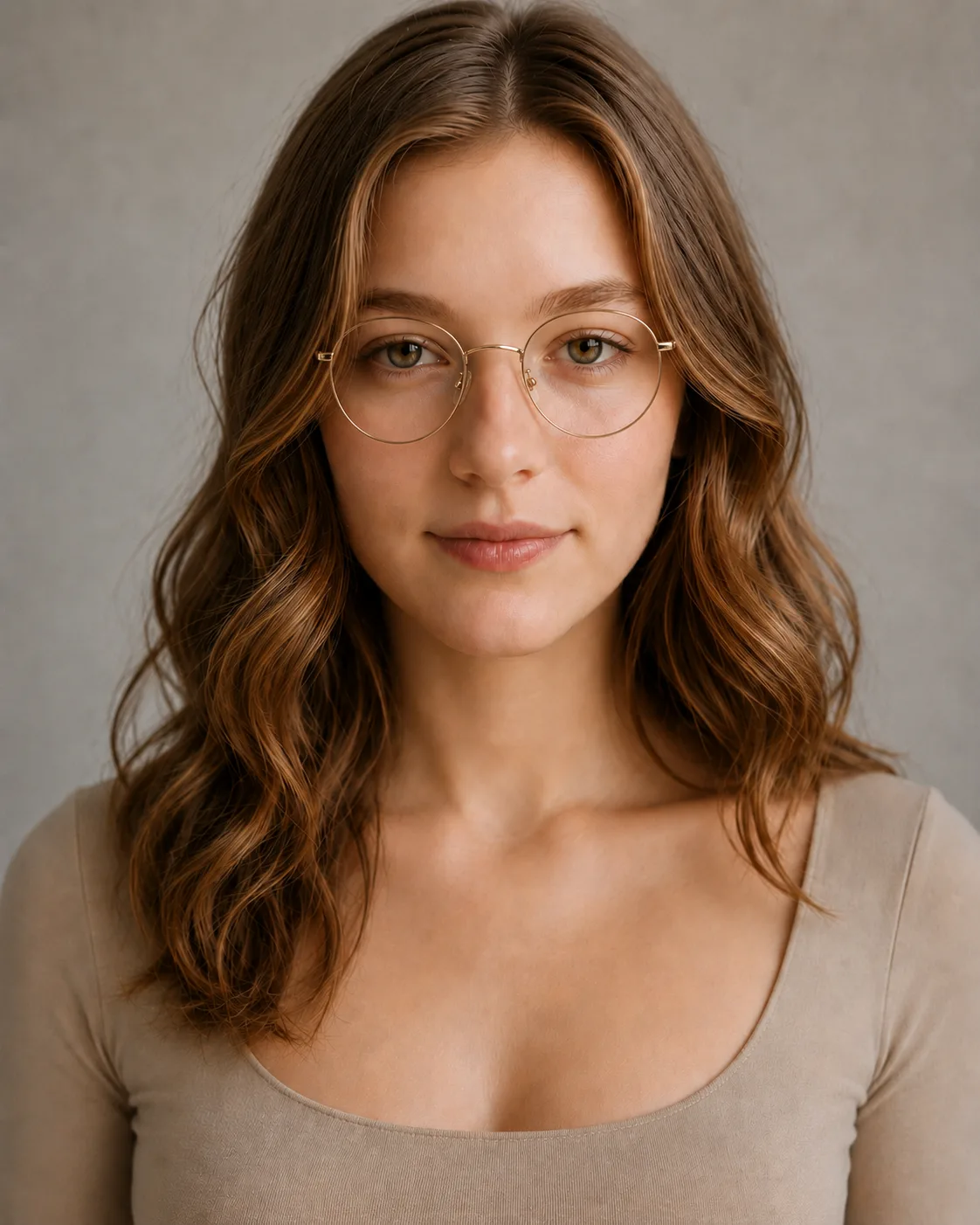
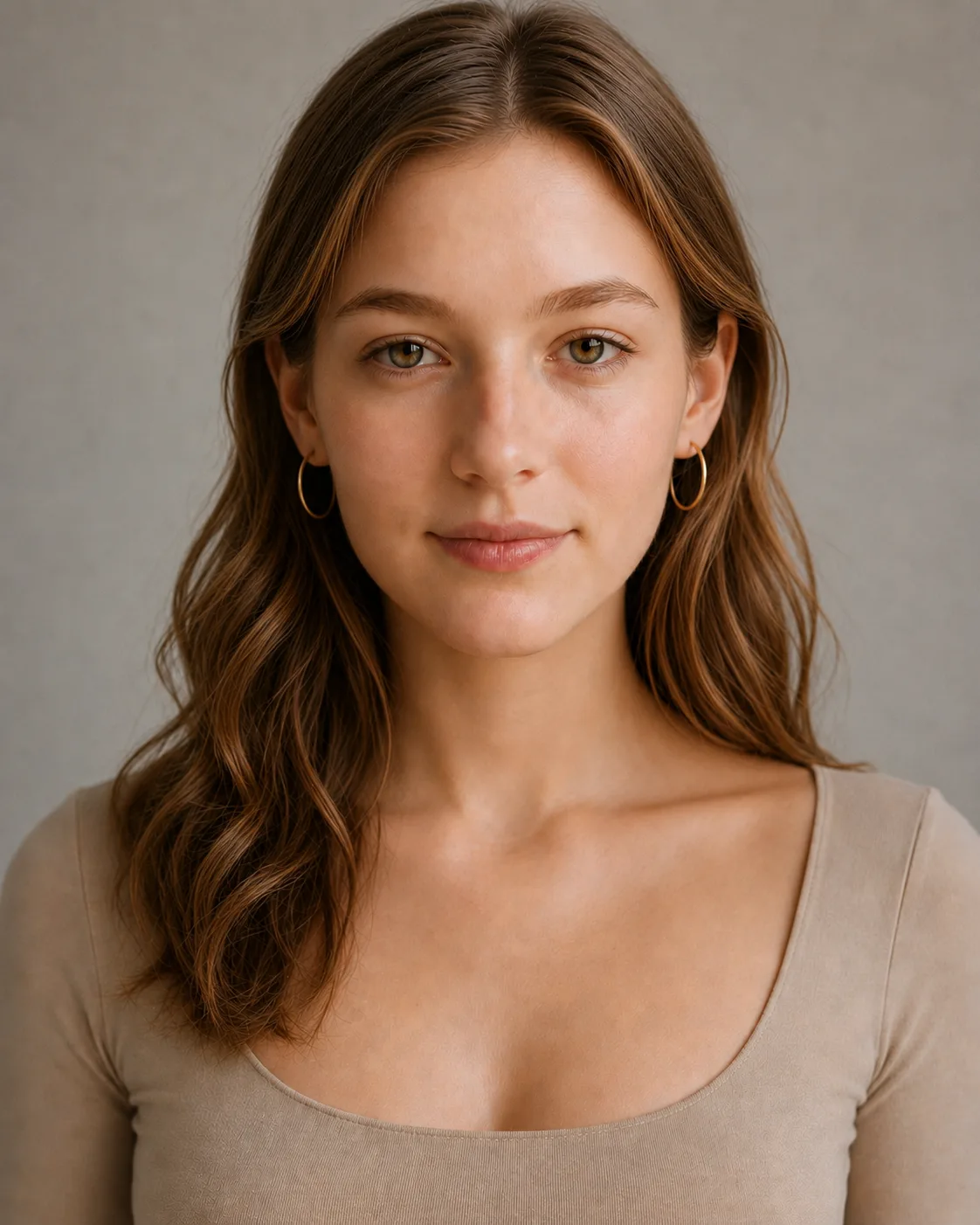
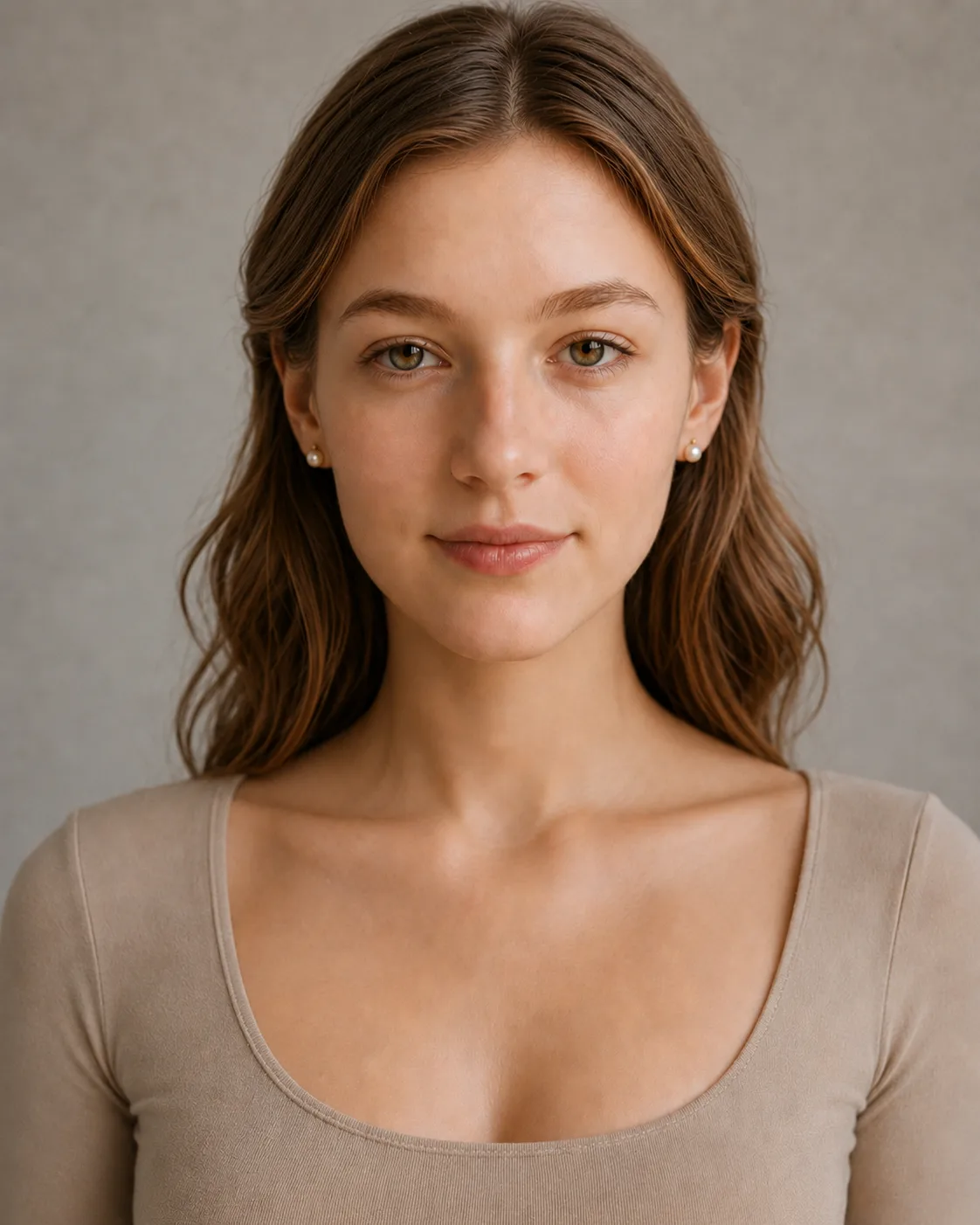
Your natural golden caramel is already the best base you could ask for — deep at the root, warm where the light catches. Keep the length, skip the dye, and let it fall loose; the wave does the framing on its own.
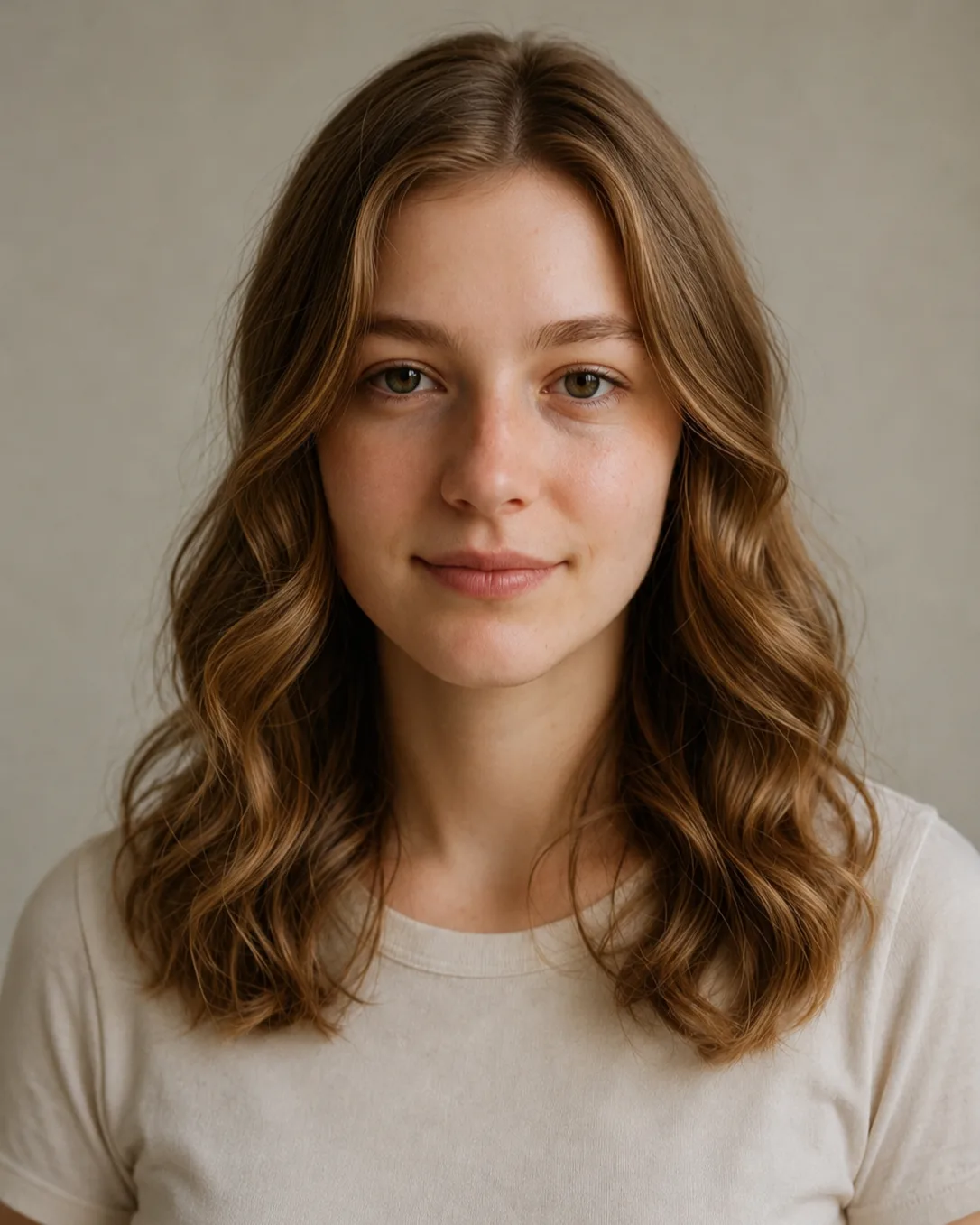 Hover or focus to highlight the illustrated regions
Foundation and tinted products can change visible colors. Analysis notes explain suspected interference; they cannot recover the exact natural color underneath.
Colored lenses, reflections, and small iris detail can weaken the eye-color estimate. The report can flag uncertainty in the available photo evidence.
Room light, filters, and camera processing can shift the apparent colors. Any lighting adjustment remains an estimate, not a calibrated capture.
A chat assistant can discuss your coloring, compare palettes, and suggest a season. The detail and format depend on the model and your prompt. Its answer can be a useful starting point for trying colors in consistent light.
Style Look Lab uses a fixed photo-analysis workflow: an AI model estimates visible skin, hair, and iris colors, including CIELAB values; internal rules derive color traits. A further AI step considers your photos and the analysis evidence to suggest a season and personal palette. The Complete Report adds outfit and styling guidance and method notes. These are photo estimates, not calibrated pixel measurements or proof of greater accuracy.
Uploaded and generated images stay on secure cloud storage so you can return to your reports. Account deletion requests their removal.
We do not use your photos to train our own models or sell them. We process them only as described in Privacy, including with necessary service providers.
Quality checks do not create a faceprint, identify you, or match your face against an identity database.
Privacy settings provide the available account-data export. Contact support to request permanent account deletion.
Sign in for one free preview per eligible account. No card needed.
Includes 120 credits for image tools. Each purchase applies to one report.
· Learn
There have never been more ways to find your color season — quizzes, mirror tests, AI photo analysis — and they disagree with each other constantly. This guide lays out what each method actually measures, why the popular home tests contradict one another, and where it makes sense to start.
01 · A short history
Johannes Itten's 1961 book The Art of Color is an early published reference for subjective and objective approaches to color relationships. Later styling systems adapted seasonal language to organize personal color choices; that styling use is distinct from Itten's original art-education context.
Carole Jackson's Color Me Beautiful, first published in 1980, helped popularize a consumer four-season approach to wardrobe and makeup color. Spring, Summer, Autumn, and Winter became convenient styling labels rather than scientific categories.
Practitioners later extended the four labels into 12-season and 16-season variants to describe more combinations of temperature, depth, and chroma. These are competing styling taxonomies, not progressively more scientific classifications.
In South Korea, “personal color” became widely applied across cosmetics, appearance management, hair, nail, services, and beauty branding. Recent K-beauty research reviews these applications without turning the underlying seasonal labels into biological facts.
Photo tools can add inspectable evidence by estimating visible skin, eye, and hair color from submitted images. They do not remove judgment: camera processing, lighting, makeup, filters, sampling choices, and the chosen seasonal taxonomy still affect the result, and an internal confidence score is not a calibrated probability of correctness.
Johannes Itten develops color theory in an art-education context; his published work later becomes one historical reference used by personal-color narratives.
Carole Jackson’s Color Me Beautiful popularizes a consumer four-season approach to wardrobe and makeup color.
Practitioners extend the four labels into 12-season and 16-season styling variants.
Personal color is applied across cosmetics, services, appearance management, and branding in K-beauty.
Photo analysis adds estimated color evidence, with limits from capture conditions and model judgment.
The result of that century of revision is the 12-season system most analyses use today. To see how its families and sub-seasons fit together, compare all 12 color seasons side by side.
02 · The comparison
Ask three methods the same question and you may get three different answers — not because color analysis is arbitrary, but because each method measures a different thing. Knowing what each one actually observes is the fastest way to decide how much to trust it.
An online quiz is the lightest place to start: free, about a minute, no photos. But be clear about what it measures — your own observations about your coloring, filtered through your own judgment and viewing conditions. That makes it useful for narrowing the field and unsuitable as an objective measurement.
Mirror tests — holding colored things up to your face and watching what changes — are free too, and they at least look at the real thing. Their weakness is control. The result depends on the light in the room, on what exactly you hold up, and on how honestly you can referee your own reflection. Most mirror tests also probe a single dimension, usually warm versus cool, and a season is never decided by one dimension alone.
AI photo analysis works from different raw material: the photo itself. It estimates visible color evidence in skin, hair, and eyes and reports a season with an internal confidence score. That score summarizes support in the submitted evidence; it is not a calibrated probability of accuracy. The analysis is only as good as the photos and the assumptions used to interpret them. For what is checked, estimated, and scored, read the color analysis methodology.
The order matters less than starting somewhere. If you want the fastest start, take the free color season quiz — about a minute, no photos required.
03 · DIY tests, examined
The internet's favorite undertone tests — veins, jewelry, white paper — are popular for good reasons: they are free, they take seconds, and they feel like science. They also contradict each other constantly. That is not bad luck. Each test reads one narrow signal through a fog of interference, and each fog is different.
Claims to measure: warmth
Claims to measure: warmth
Claims to measure: warmth
Notice the pattern: all three tests are trying to read the same single dimension — temperature — and temperature alone has never been enough to name a season. A season is a combination of several qualities; a test that reports one of them, noisily, was never going to settle the question.
So when your tests disagree, it does not mean you have no season. It means the tools are blunt. And when several of them do point the same way, treat that agreement as a starting hypothesis — a direction worth confirming with better evidence, not a result.
04 · Life changes
Dye your hair, go gray, come back from a beach vacation — and suddenly your palette feels wrong. Before re-testing everything, it helps to separate two things that sound alike but are not: a change in your underlying coloring, and a change in the evidence you present to the world.
Hair dye is the clearest case. A season is anchored in the stable parts of your coloring — your skin's undertone above all — so a new hair color does not move you to a new season. What it does change is the overall harmony: a Soft Summer who goes copper-red has not become an Autumn, but the copper now argues with the palette, and the practical advice about what to wear near your face genuinely shifts.
Gray hair is the most common reason to revisit a color analysis, and the most legitimate. Going gray is not a costume — it is a real, lasting change in your contrast. As hair silvers, the light-dark difference between hair, skin, and eyes narrows, and people with deep or bright Winter palettes often notice their old colors starting to feel heavy against a softer frame. The undertone beneath has not moved, but this is one scenario where re-verifying earns its keep — and when something does shift, it is usually a step to a neighboring sub-season, not a leap across the map.
A tan is the opposite: dramatic-looking, but temporary and shallow. Sun darkens the surface of the skin without touching the undertone beneath, which is why your July face and your January face can photograph differently while your best palette stays put. Test at peak tan and you are measuring the vacation; wait until your skin settles back to its baseline.
Pregnancy and other hormonal shifts can temporarily change pigmentation too — melasma, deeper flushing, a different surface cast. Like a tan, these are changes in the evidence, not in the foundation. Give them time to pass before drawing conclusions.
The working rule: a color season is anchored in features that change slowly, so it rarely changes outright — but the evidence you present can drift. After a major, lasting change in your appearance, re-verifying is worth the few minutes it costs. Expect a refinement, not a reinvention.
05 · The path
If the methods measure different things, the practical move is not picking one — it is sequencing them from cheapest to most conclusive, letting each step narrow the range for the next.
Take the quiz: about a minute to turn your own observations into a directional hypothesis — one or two seasons worth taking seriously.
Run an AI photo analysis. It estimates color evidence across the site’s dimensions and reports how strongly the submitted photos support the result.
Hold clothes you already own near your face in natural light. Whenever a tool and reality disagree, reality wins.
That is the whole system: each tool exists to shrink the search, and the mirror — in honest daylight — gets the final word. Step one takes about a minute: start with the free color season quiz.
These sources support the historical overview and the discussion of photographic color measurement. They do not scientifically validate the 12-season styling taxonomy, and photo analysis remains sensitive to lighting, camera processing, makeup, filters, and the submitted images.
No subscription is required. Each Complete Report is a separate one-time purchase. Credits are only for image tools and cannot unlock a report.
Confidence describes how strongly the available photo evidence supports the internal decision. It is not a statistically calibrated probability of accuracy. Read weaker or contradictory evidence cautiously and retake photos in cleaner light when needed.
The method separates skin depth from color season and avoids rules such as assigning every deep complexion to Winter. Olive and neutral signals are considered, but every photo-based result remains an estimate that depends on the submitted light and image quality.
Yes. A chat assistant can discuss colors and suggest a season, with detail depending on the model and prompt. Style Look Lab provides a fixed photo-analysis workflow and a structured report: estimated colors, a season and palette, styling guidance, and method notes. These are delivery differences, not proof that one estimate is more accurate.
Photos are processed by the third-party AI providers needed to build your report and requested styling images, then stored securely while your account exists. We do not use them to train our own models or sell them. Contact support to request account deletion and removal of associated images.
Submit one to three front-facing photos in indirect daylight, without filters and with minimal makeup. Multiple clear photos can show whether the reading stays consistent across scenes, but several poor inputs cannot rescue one another.
After signing in, each eligible account can create one free preview showing the season, core traits, season-wheel placement, and four wardrobe-core plus two signature colors. A separately purchased Complete Report adds the full palette, outfit and current-weather guidance, makeup, hair, eyewear, jewelry, and notes about the photo evidence. Credits cannot unlock a Complete Report.
Sign in for a free preview if your account is eligible. Purchase a Complete Report separately when you want the full guidance.