Define extra-long
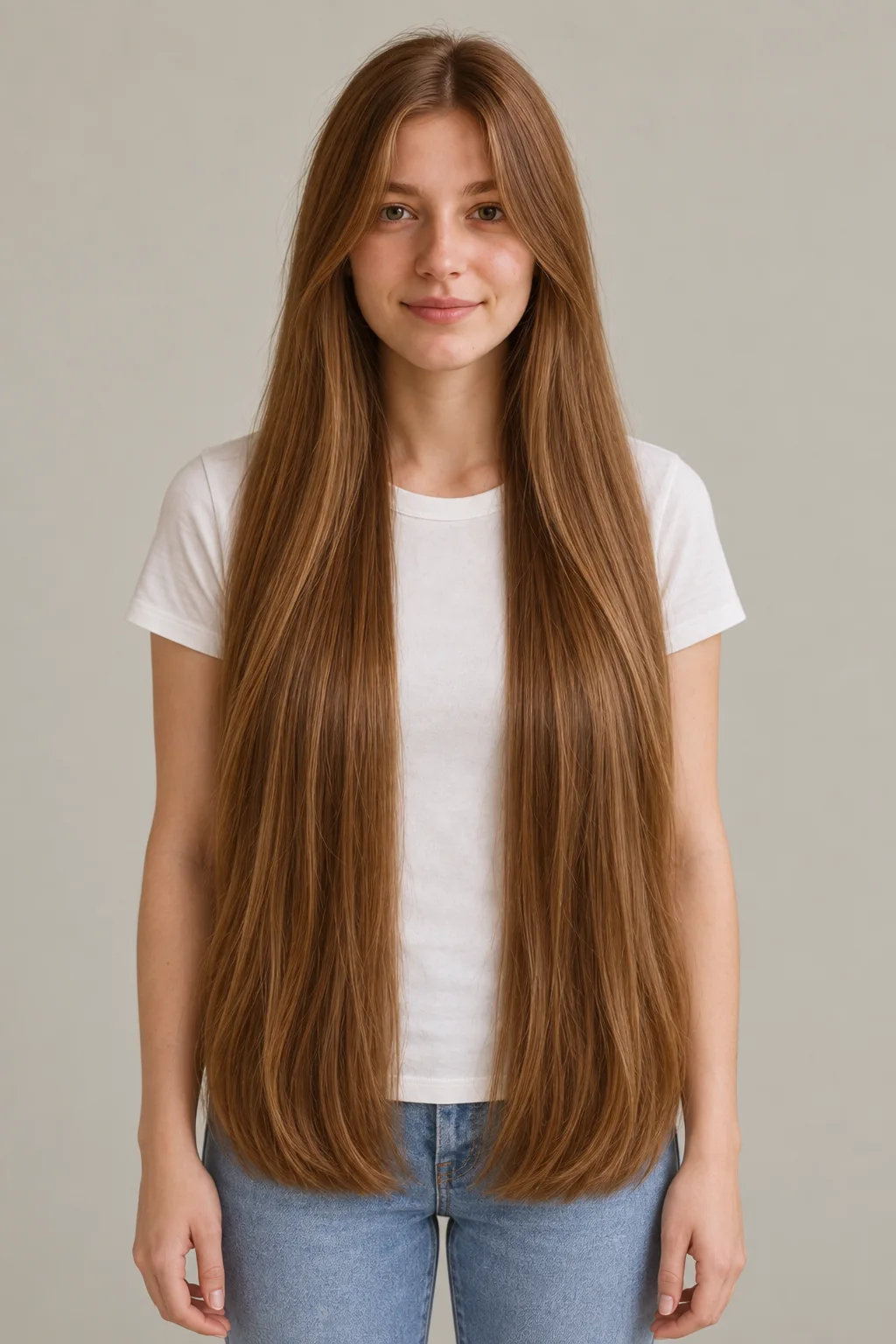
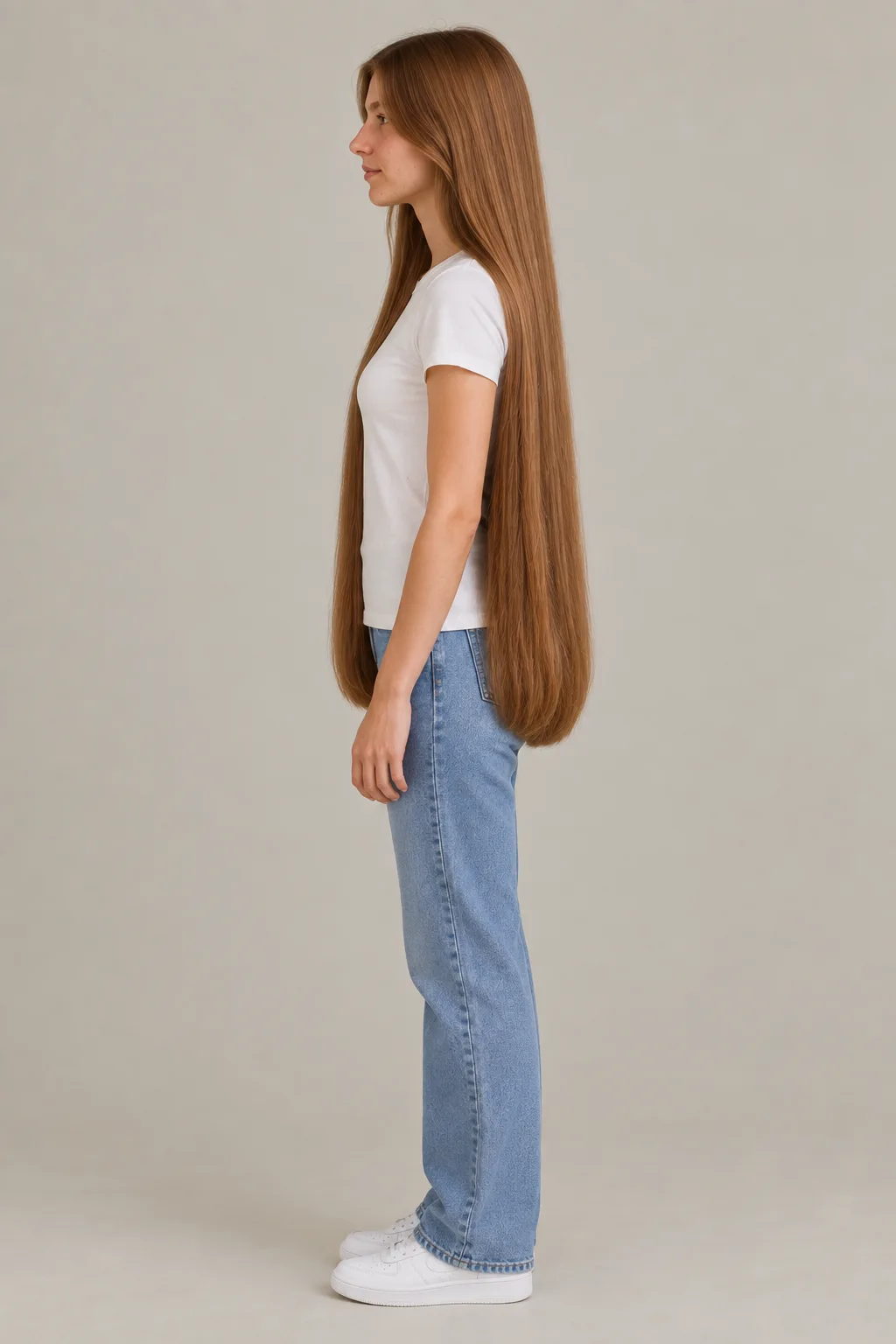
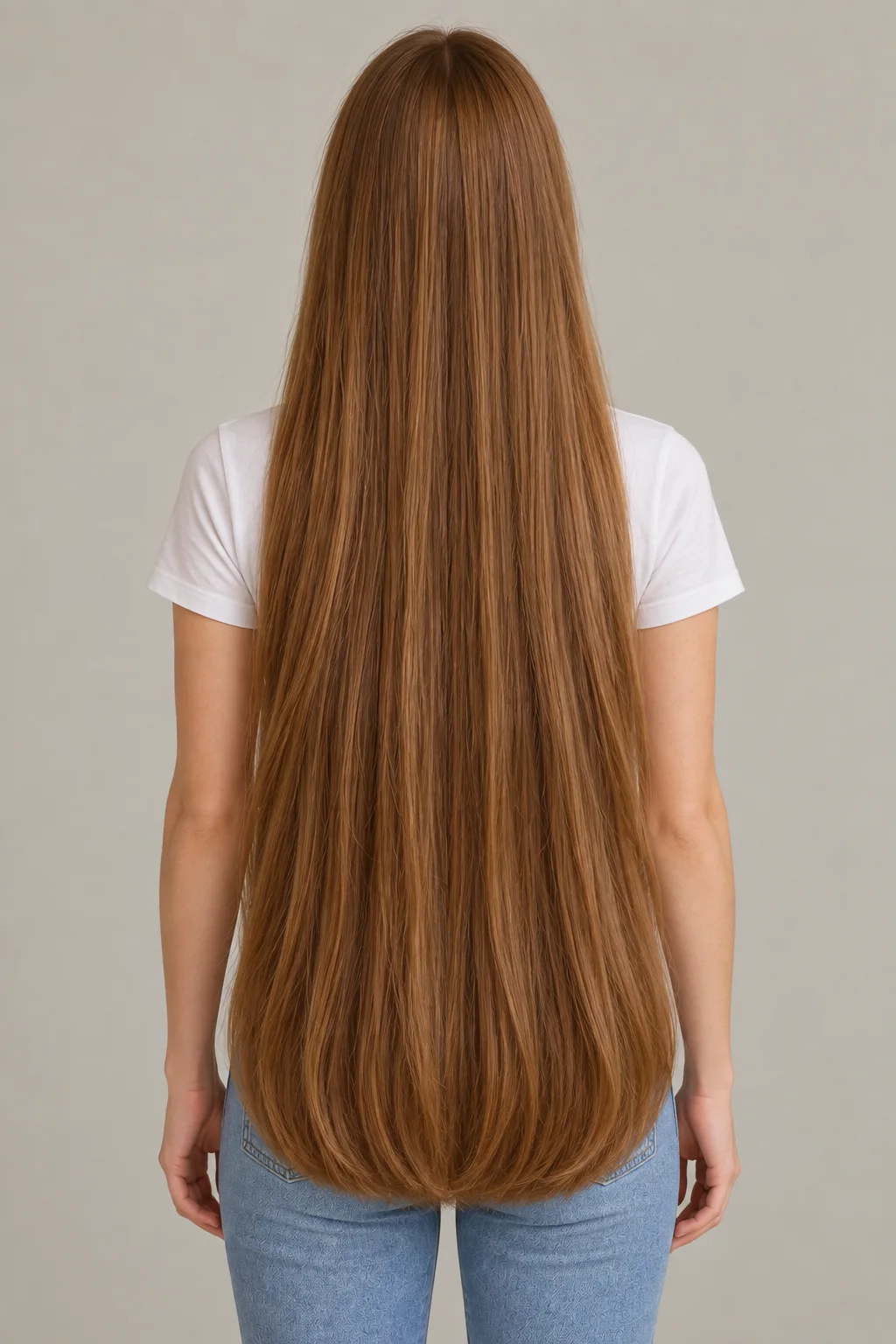
Extra-long hair is primarily a length and condition target. This reference reaches the upper thighs, keeps a center part and uses very little layering so the perimeter remains dense. The unusual length requires wider framing than the other catalog styles.
The research review included American Academy of Dermatology hair-care tips and Google Rapunzel-length result set. Those sources support terminology and practical consultation themes; they are not used to promise a result, prescribe a universal product routine or exclude any face shape.
| Reference detail | Decision to make |
|---|---|
| Reference length: Upper thigh | Confirm how this should translate to your current hair and routine. |
| Part: Center part | Confirm how this should translate to your current hair and routine. |
| Layers: Minimal | Confirm how this should translate to your current hair and routine. |
| Perimeter: Dense and softly rounded | Confirm how this should translate to your current hair and routine. |
Put condition before a number
The Google result set used “Rapunzel length” loosely for hip, thigh, knee and even floor length. This page therefore names the visible landing point instead of promising one universal definition. Decide what you mean in the mirror and measure only as a communication aid.
Length should not be valued above condition. Transparent, splitting or heavily tangled ends may not produce the full outline shown here. Ask a professional to show the difference between retaining every strand and choosing a slightly shorter, denser perimeter.
Plan a long-hair routine
Study the front, profile and rear together. A single front image can hide how much hair is removed, where a layer connects, or whether the lower outline remains dense. Ask the stylist to point to the proposed sections and finished dry lines before work begins.
The reference is a design target, not blanket permission for additional services. Keep color, extensions, chemical texture and any unrelated change as separate decisions with their own assessment.
Turn your priorities into consultation requests
Choose only the changes that matter to you. They will carry into the salon card; they do not alter the AI preview or authorize a service.
Plan for the routine you will actually repeat
Plan washing, drying, detangling, sleep and exercise around the real length. The American Academy of Dermatology recommends gentle handling and reducing avoidable heat and tension. Adapt those principles to your hair and seek professional advice for breakage or scalp concerns.
Ask how the result changes after sleep, humidity, exercise and tie-back. A good consultation distinguishes the cut or placement from the polished styling used to photograph it.
Bring a three-angle brief
I want to preserve an extra-long upper-thigh silhouette with a center part, minimal shaping and a dense softly rounded perimeter. Please show me the condition of my ends, agree the maximum trim in advance and treat extensions or short layers as separate decisions.
Use the front for the defining face view, the profile for connection and projection, and the back for length and density. Record personal priorities before the appointment.
Prepare my extra-long hair salon card →Common questions about extra-long hair
How long is “Rapunzel length”?
The phrase is inconsistent. This reference specifically reaches the upper thighs; name your own landing point.
Can a haircut make my hair grow faster?
No promise is made here. The page describes a visual target and maintenance choices, not a growth treatment.
Should I keep every millimeter?
Not automatically. Compare maximum length with perimeter density and condition before choosing a trim.
Are extensions included?
No. Extensions are a separate service requiring an independent suitability and maintenance discussion.