Define curtain layers
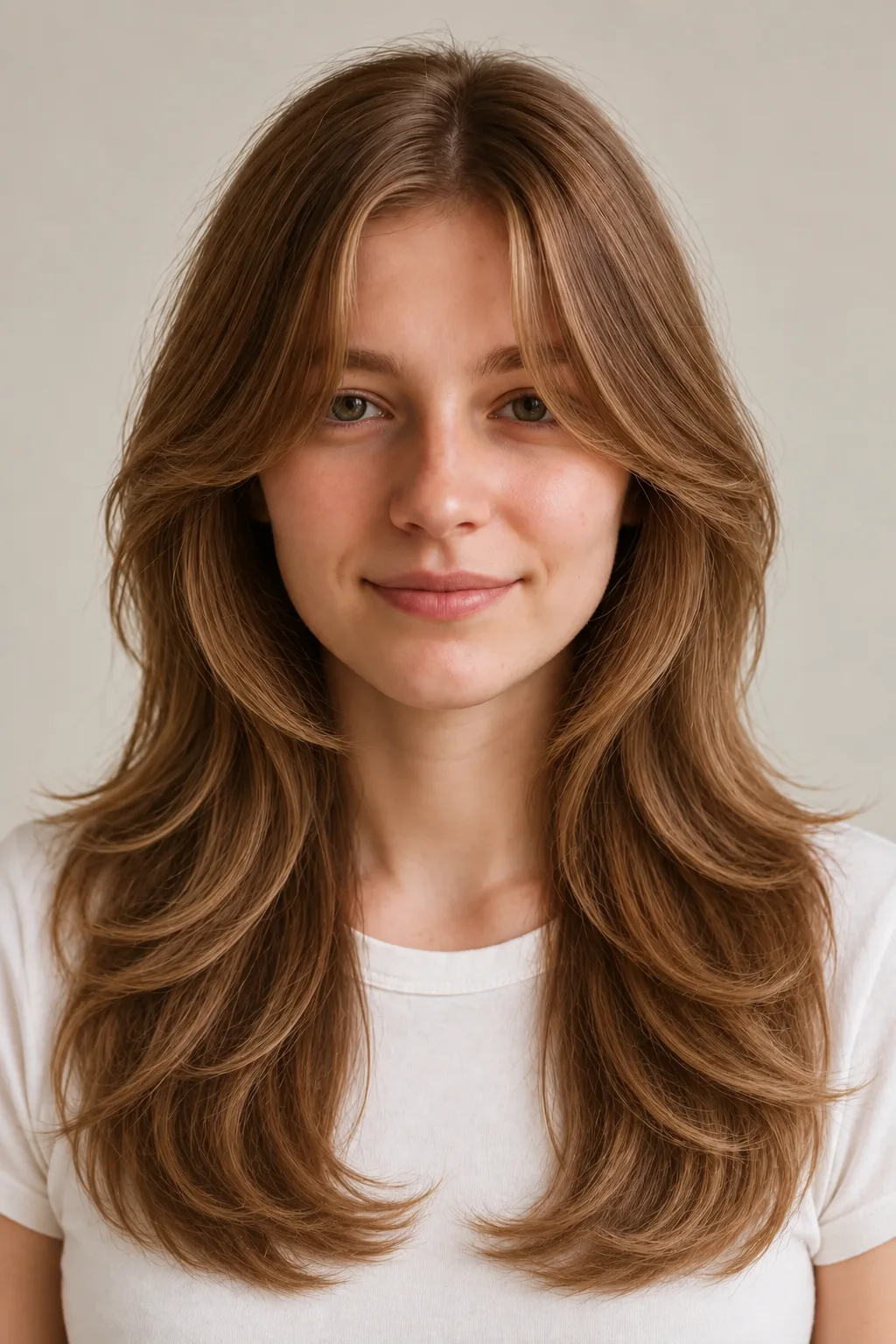
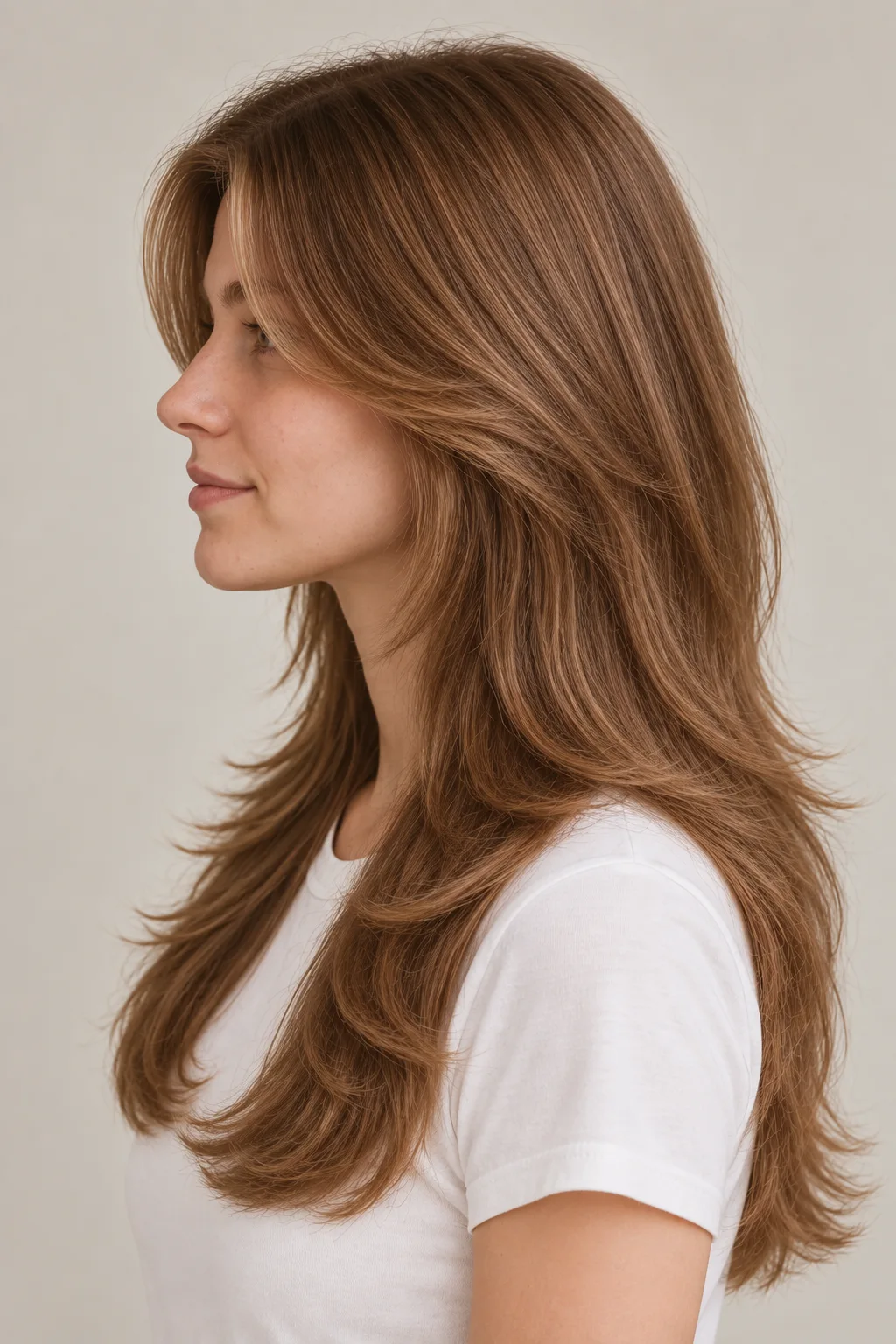
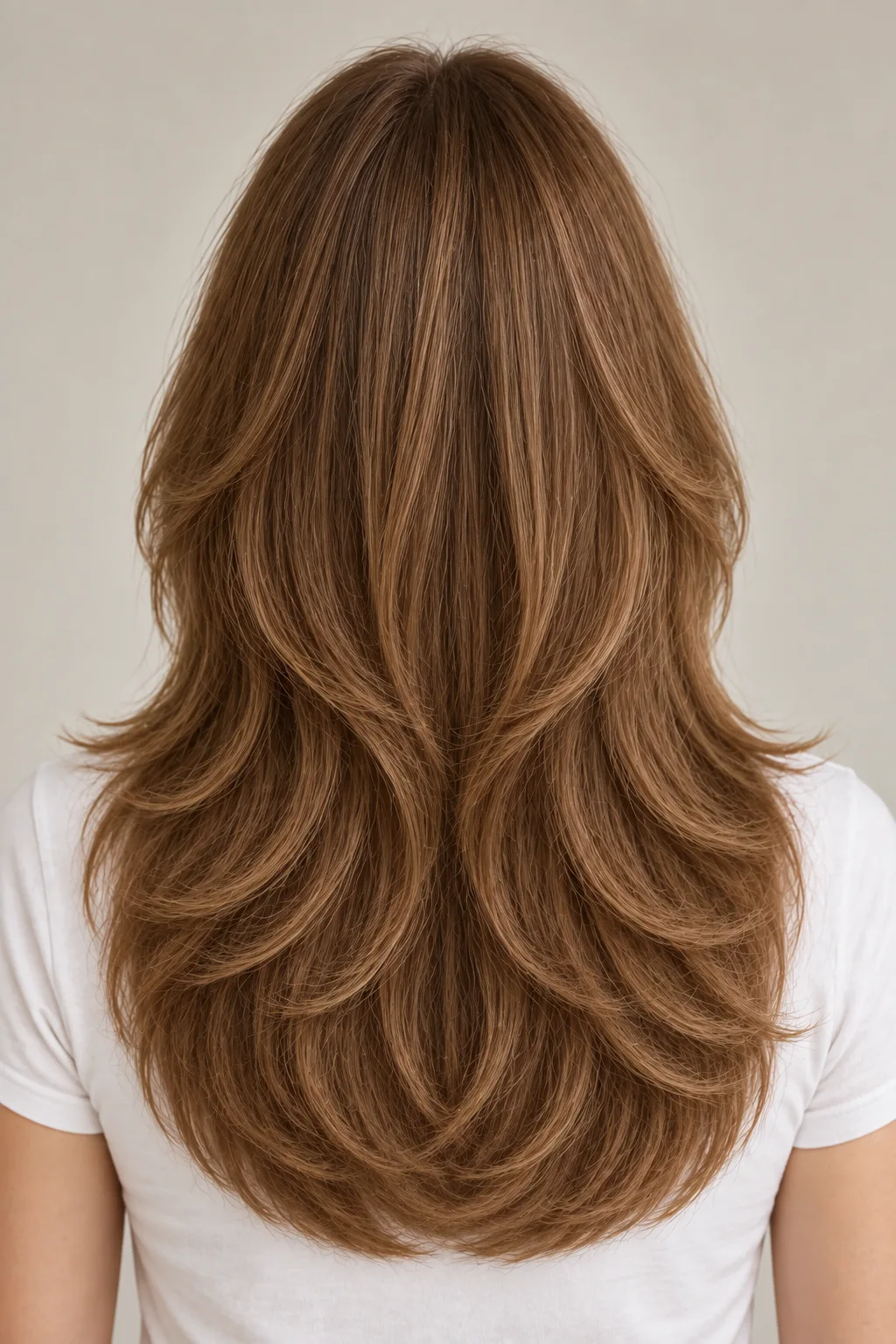
Long curtain layers combine a center-opening fringe with connected face framing and longer layers through the body. In this reference, the shortest pieces begin near the cheekbones, sweep toward the jaw and collarbone, then continue into a full lower-chest base.
The research review included Vogue curtain-bangs guide and WEN curtain-bangs styling guide. Those sources support terminology and practical consultation themes; they are not used to promise a result, prescribe a universal product routine or exclude any face shape.
| Reference detail | Decision to make |
|---|---|
| Fringe: Cheekbone curtain bangs | Confirm how this should translate to your current hair and routine. |
| Part: Center part | Confirm how this should translate to your current hair and routine. |
| Layers: Connected and cascading | Confirm how this should translate to your current hair and routine. |
| Length: Lower chest | Confirm how this should translate to your current hair and routine. |
Choose the fringe opening
Google results for the term repeatedly paired long layers with curtain bangs and a 90s-inspired blowout. That does not make every center-parted face frame a curtain fringe. The short front section, its opening and its connection to the longer haircut must all be visible.
Choose the fringe triangle and shortest dry point before cutting. A larger section creates stronger curtains but removes more density from the sides. Check cowlicks, glasses and whether the pieces need to reach a ponytail.
Connect fringe and layers
Study the front, profile and rear together. A single front image can hide how much hair is removed, where a layer connects, or whether the lower outline remains dense. Ask the stylist to point to the proposed sections and finished dry lines before work begins.
The reference is a design target, not blanket permission for additional services. Keep color, extensions, chemical texture and any unrelated change as separate decisions with their own assessment.
Turn your priorities into consultation requests
Choose only the changes that matter to you. They will carry into the salon card; they do not alter the AI preview or authorize a service.
Plan for the routine you will actually repeat
The polished reference uses broad outward curves. Ask to see a realistic round-brush or tool routine, then compare it with the unstyled fall. Follow heat guidance and avoid assuming the fringe will reopen identically after sleep, humidity or exercise.
Ask how the result changes after sleep, humidity, exercise and tie-back. A good consultation distinguishes the cut or placement from the polished styling used to photograph it.
Bring a three-angle brief
I want long layers with center-parted curtain bangs beginning around my cheekbones, sweeping into jaw and collarbone framing, then connecting into broad long layers with a full lower-chest base. Please mark the fringe section and dry length first and preserve perimeter density.
Use the front for the defining face view, the profile for connection and projection, and the back for length and density. Record personal priorities before the appointment.
Prepare my long layers with curtain bangs salon card →Common questions about long layers with curtain bangs
Are curtain layers the same as face-framing layers?
Curtain layers include a shorter center-opening fringe. Face framing can begin lower and leave the forehead open.
Can I make the bangs easier to tie back?
Yes. Start them nearer the lips or jaw and keep the section narrower.
Do I need a center part?
The reference uses one, but your natural part and cowlick may require an adapted opening.
Will the cut look the same without a blowout?
No. Broad curves emphasize the layers. Ask to inspect the natural fall before committing.